

video video 8.4 14.9 | label class label 10
classes |
|---|---|
01 | |
110 | |
22 | |
33 | |
44 | |
55 | |
66 | |
77 | |
88 | |
99 |
Face Antispoofing dataset for recognition systems
The dataset consists of 98,000 videos and selfies from 170 countries, providing a foundation for developing robust security systems and facial recognition algorithms.
While the dataset itself doesn't contain spoofing attacks, it's a valuable resource for testing liveness detection system, allowing researchers to simulate attacks and evaluate how effectively their systems can distinguish between real faces and various forms of spoofing.
By utilizing this dataset, researchers can contribute to the development of advanced security solutions, enabling the safe and reliable use of biometric technologies for authentication and verification. - Get the data
#Examples of data
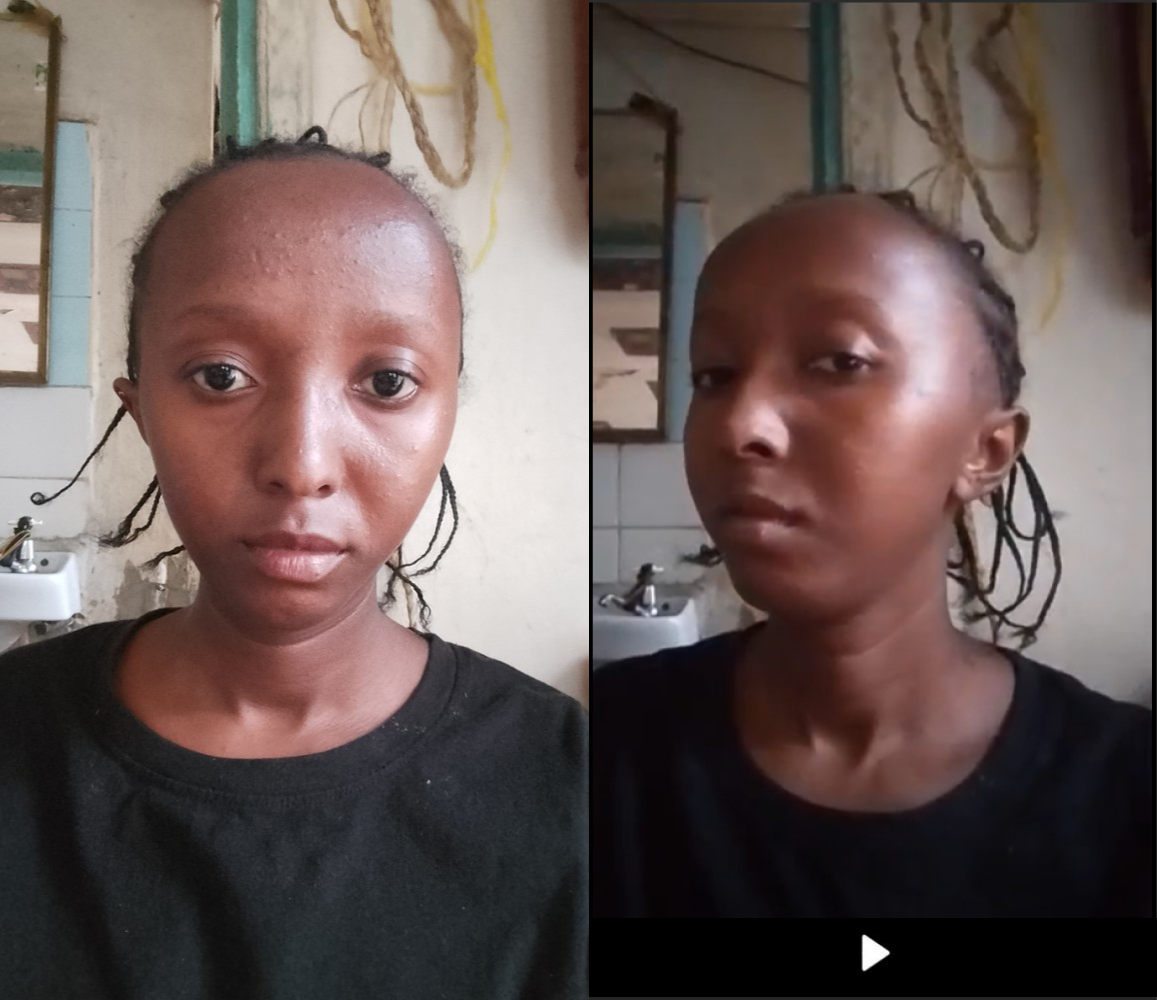 The dataset offers a high-quality collection of videos and photos, including selfies taken with a range of popular smartphones, like iPhone, Xiaomi, Samsung, and more. The videos showcase individuals turning their heads in various directions, providing a natural range of movements for liveness detection training.
💵 Buy the Dataset: This is a limited preview of the data. To access the full dataset, please contact us at https://unidata.pro to discuss your requirements and pricing options.
Metadata for the dataset
.png?generation=1730591760432249&alt=media) Furthermore, the dataset provides detailed metadata for each set, including information like gender, age, ethnicity, video resolution, duration, and frames per second. This rich metadata provides crucial context for analysis and model development.
Furthermore, the dataset provides detailed metadata for each set, including information like gender, age, ethnicity, video resolution, duration, and frames per second. This rich metadata provides crucial context for analysis and model development.
Researchers can develop more accurate liveness detection algorithms, which is crucial for achieving the iBeta Level 2 certification, a benchmark for robust and reliable biometric systems that prevent fraud.
Frequently Asked Questions
Why is country diversity important when using this face anti spoofing dataset?
The dataset includes participants from 179 countries, providing broad geographic diversity for biometric model development. This can help evaluate whether a face anti spoofing system remains reliable when deployed across different populations and recording environments. Country-level analysis can be used to create evaluation subsets and compare false acceptance or false rejection rates across geographic groups.
What recording conditions and device differences are represented in the dataset?
The dataset includes recordings captured with both iPhone 13 and Google Pixel devices, with each device contributing a different share of the data. Video resolution also varies considerably, ranging from 480 × 360p to 1920 × 1080p, with additional intermediate formats represented. Video length ranges from 2 to 34 seconds, with a mean and median duration of 9 seconds. The frame rate averages 26.6 FPS. This variability makes the dataset useful for evaluating how face anti-spoofing models perform across different capture devices, resolutions, frame rates, and video durations.
Was the face anti-spoofing data collected through crowdsourcing?
Yes. The underlying collection was produced through crowdsourcing platforms. This is relevant when assessing the origin and variability of the face anti-spoofing data because crowdsourced collection can provide access to participants across a broad geographic area and different consumer devices.
🌐 UniData provides high-quality datasets, content moderation, data collection and annotation for your AI/ML projects
- Downloads last month
- 161