
Get trending papers in your email inbox once a day!
Get trending papers in your email inbox!
Subscribe
Locomotion-Action-Manipulation: Synthesizing Human-Scene Interactions in Complex 3D Environments
Synthesizing interaction-involved human motions has been challenging due to the high complexity of 3D environments and the diversity of possible human behaviors within. We present LAMA, Locomotion-Action-MAnipulation, to synthesize natural and plausible long-term human movements in complex indoor environments. The key motivation of LAMA is to build a unified framework to encompass a series of everyday motions including locomotion, scene interaction, and object manipulation. Unlike existing methods that require motion data "paired" with scanned 3D scenes for supervision, we formulate the problem as a test-time optimization by using human motion capture data only for synthesis. LAMA leverages a reinforcement learning framework coupled with a motion matching algorithm for optimization, and further exploits a motion editing framework via manifold learning to cover possible variations in interaction and manipulation. Throughout extensive experiments, we demonstrate that LAMA outperforms previous approaches in synthesizing realistic motions in various challenging scenarios. Project page: https://jiyewise.github.io/projects/LAMA/ .

AgentRefine: Enhancing Agent Generalization through Refinement Tuning
Large Language Model (LLM) based agents have proved their ability to perform complex tasks like humans. However, there is still a large gap between open-sourced LLMs and commercial models like the GPT series. In this paper, we focus on improving the agent generalization capabilities of LLMs via instruction tuning. We first observe that the existing agent training corpus exhibits satisfactory results on held-in evaluation sets but fails to generalize to held-out sets. These agent-tuning works face severe formatting errors and are frequently stuck in the same mistake for a long while. We analyze that the poor generalization ability comes from overfitting to several manual agent environments and a lack of adaptation to new situations. They struggle with the wrong action steps and can not learn from the experience but just memorize existing observation-action relations. Inspired by the insight, we propose a novel AgentRefine framework for agent-tuning. The core idea is to enable the model to learn to correct its mistakes via observation in the trajectory. Specifically, we propose an agent synthesis framework to encompass a diverse array of environments and tasks and prompt a strong LLM to refine its error action according to the environment feedback. AgentRefine significantly outperforms state-of-the-art agent-tuning work in terms of generalization ability on diverse agent tasks. It also has better robustness facing perturbation and can generate diversified thought in inference. Our findings establish the correlation between agent generalization and self-refinement and provide a new paradigm for future research.

CoP: Agentic Red-teaming for Large Language Models using Composition of Principles
Recent advances in Large Language Models (LLMs) have spurred transformative applications in various domains, ranging from open-source to proprietary LLMs. However, jailbreak attacks, which aim to break safety alignment and user compliance by tricking the target LLMs into answering harmful and risky responses, are becoming an urgent concern. The practice of red-teaming for LLMs is to proactively explore potential risks and error-prone instances before the release of frontier AI technology. This paper proposes an agentic workflow to automate and scale the red-teaming process of LLMs through the Composition-of-Principles (CoP) framework, where human users provide a set of red-teaming principles as instructions to an AI agent to automatically orchestrate effective red-teaming strategies and generate jailbreak prompts. Distinct from existing red-teaming methods, our CoP framework provides a unified and extensible framework to encompass and orchestrate human-provided red-teaming principles to enable the automated discovery of new red-teaming strategies. When tested against leading LLMs, CoP reveals unprecedented safety risks by finding novel jailbreak prompts and improving the best-known single-turn attack success rate by up to 19.0 times.
A Survey on LLM Mid-training
Recent advances in foundation models have highlighted the significant benefits of multi-stage training, with a particular emphasis on the emergence of mid-training as a vital stage that bridges pre-training and post-training. Mid-training is distinguished by its use of intermediate data and computational resources, systematically enhancing specified capabilities such as mathematics, coding, reasoning, and long-context extension, while maintaining foundational competencies. This survey provides a formal definition of mid-training for large language models (LLMs) and investigates optimization frameworks that encompass data curation, training strategies, and model architecture optimization. We analyze mainstream model implementations in the context of objective-driven interventions, illustrating how mid-training serves as a distinct and critical stage in the progressive development of LLM capabilities. By clarifying the unique contributions of mid-training, this survey offers a comprehensive taxonomy and actionable insights, supporting future research and innovation in the advancement of LLMs.

ChatUniTest: A Framework for LLM-Based Test Generation
Unit testing is an essential yet frequently arduous task. Various automated unit test generation tools have been introduced to mitigate this challenge. Notably, methods based on large language models (LLMs) have garnered considerable attention and exhibited promising results in recent years. Nevertheless, LLM-based tools encounter limitations in generating accurate unit tests. This paper presents ChatUniTest, an LLM-based automated unit test generation framework. ChatUniTest incorporates an adaptive focal context mechanism to encompass valuable context in prompts and adheres to a generation-validation-repair mechanism to rectify errors in generated unit tests. Subsequently, we have developed ChatUniTest Core, a common library that implements core workflow, complemented by the ChatUniTest Toolchain, a suite of seamlessly integrated tools enhancing the capabilities of ChatUniTest. Our effectiveness evaluation reveals that ChatUniTest outperforms TestSpark and EvoSuite in half of the evaluated projects, achieving the highest overall line coverage. Furthermore, insights from our user study affirm that ChatUniTest delivers substantial value to various stakeholders in the software testing domain. ChatUniTest is available at https://github.com/ZJU-ACES-ISE/ChatUniTest, and the demo video is available at https://www.youtube.com/watch?v=GmfxQUqm2ZQ.
Application of LLM Agents in Recruitment: A Novel Framework for Resume Screening
The automation of resume screening is a crucial aspect of the recruitment process in organizations. Automated resume screening systems often encompass a range of natural language processing (NLP) tasks. The advent of Large Language Models (LLMs) has notably enhanced the efficacy of these systems, showcasing their robust generalization abilities across diverse language-related tasks. Accompanying these developments are various agents based on LLMs, which facilitate their application in practical scenarios. This paper introduces a novel LLM-based agent framework for resume screening, aimed at enhancing efficiency and time management in recruitment processes. Our framework is distinct in its ability to efficiently summarize and grade each resume from a large dataset. Moreover, it utilizes LLM agents for decision-making, determining which candidates receive job offers, or which ones to bring in for interviews. To evaluate our framework, we constructed a dataset from actual resumes and conducted simulate a resume screening process. Subsequently, the outcomes of the simulation experiment were compared and subjected to detailed analysis. The results demonstrate that our automated resume screening framework is 11 times faster than traditional manual methods. Furthermore, by fine-tuning the LLMs, we observed a significant improvement in the F1 score, reaching 87.73\%, during the resume sentence classification phase. In the resume summarization and grading phase, our fine-tuned model surpassed the baseline performance of the GPT-3.5 model. Analysis of the decision-making efficacy of the LLM agents in the final offer stage further underscores the potential of LLM agents in transforming resume screening processes.

Debate on Graph: a Flexible and Reliable Reasoning Framework for Large Language Models
Large Language Models (LLMs) may suffer from hallucinations in real-world applications due to the lack of relevant knowledge. In contrast, knowledge graphs encompass extensive, multi-relational structures that store a vast array of symbolic facts. Consequently, integrating LLMs with knowledge graphs has been extensively explored, with Knowledge Graph Question Answering (KGQA) serving as a critical touchstone for the integration. This task requires LLMs to answer natural language questions by retrieving relevant triples from knowledge graphs. However, existing methods face two significant challenges: excessively long reasoning paths distracting from the answer generation, and false-positive relations hindering the path refinement. In this paper, we propose an iterative interactive KGQA framework that leverages the interactive learning capabilities of LLMs to perform reasoning and Debating over Graphs (DoG). Specifically, DoG employs a subgraph-focusing mechanism, allowing LLMs to perform answer trying after each reasoning step, thereby mitigating the impact of lengthy reasoning paths. On the other hand, DoG utilizes a multi-role debate team to gradually simplify complex questions, reducing the influence of false-positive relations. This debate mechanism ensures the reliability of the reasoning process. Experimental results on five public datasets demonstrate the effectiveness and superiority of our architecture. Notably, DoG outperforms the state-of-the-art method ToG by 23.7\% and 9.1\% in accuracy on WebQuestions and GrailQA, respectively. Furthermore, the integration experiments with various LLMs on the mentioned datasets highlight the flexibility of DoG. Code is available at https://github.com/reml-group/DoG.



MADGF: Multi-Agent Data Generation Framework
Automatic Speech Recognition (ASR) systems predominantly cater to monolingual inputs and struggle with the complexity introduced by mixed language audio. In this paper, we present a novel Multi-Agent Data Generation Framework (MADGF) to address this challenge. We finetune the open-source multilingual ASR model, Whisper, utilizing our generated Mixed Cantonese and English (MCE) audio dataset, Which achieved an impressive Mix Error Rate (MER) of 14.28%, 35.13% lower than the original model. Meanwhile, single language recognition ability is not affected, 12.6% Character Error Rate (CER) in Common voice zh-HK, 14.8% Word Error Rate (WER) in Common voice en. However, these metrics do not encompass all aspects critical to the ASR systems. Hence, we propose a novel evaluation metric called Fidelity to the Original Audio, Accuracy, and Latency (FAL).
A Digital Twin Framework for Physical-Virtual Integration in V2X-Enabled Connected Vehicle Corridors
Transportation Cyber-Physical Systems (T-CPS) enhance safety and mobility by integrating cyber and physical transportation systems. A key component of T-CPS is the Digital Twin (DT), a virtual representation that enables simulation, analysis, and optimization through real-time data exchange and communication. Although existing studies have explored DTs for vehicles, communications, pedestrians, and traffic, real-world validations and implementations of DTs that encompass infrastructure, vehicles, signals, communications, and more remain limited due to several challenges. These include accessing real-world connected infrastructure, integrating heterogeneous, multi-sourced data, ensuring real-time data processing, and synchronizing the digital and physical systems. To address these challenges, this study develops a traffic DT based on a real-world connected vehicle corridor. Leveraging the Cellular Vehicle-to-Everything (C-V2X) infrastructure in the corridor, along with communication, computing, and simulation technologies, the proposed DT accurately replicates physical vehicle behaviors, signal timing, communications, and traffic patterns within the virtual environment. Building upon the previous data pipeline, the digital system ensures robust synchronization with the physical environment. Moreover, the DT's scalable and redundant architecture enhances data integrity, making it capable of supporting future large-scale C-V2X deployments. Furthermore, its ability to provide feedback to the physical system is demonstrated through applications such as signal timing adjustments, vehicle advisory messages, and incident notifications. The proposed DT is a vital tool in T-CPS, enabling real-time traffic monitoring, prediction, and optimization to enhance the reliability and safety of transportation systems.
MindAgent: Emergent Gaming Interaction
Large Language Models (LLMs) have the capacity of performing complex scheduling in a multi-agent system and can coordinate these agents into completing sophisticated tasks that require extensive collaboration. However, despite the introduction of numerous gaming frameworks, the community has insufficient benchmarks towards building general multi-agents collaboration infrastructure that encompass both LLM and human-NPCs collaborations. In this work, we propose a novel infrastructure - MindAgent - to evaluate planning and coordination emergent capabilities for gaming interaction. In particular, our infrastructure leverages existing gaming framework, to i) require understanding of the coordinator for a multi-agent system, ii) collaborate with human players via un-finetuned proper instructions, and iii) establish an in-context learning on few-shot prompt with feedback. Furthermore, we introduce CUISINEWORLD, a new gaming scenario and related benchmark that dispatch a multi-agent collaboration efficiency and supervise multiple agents playing the game simultaneously. We conduct comprehensive evaluations with new auto-metric CoS for calculating the collaboration efficiency. Finally, our infrastructure can be deployed into real-world gaming scenarios in a customized VR version of CUISINEWORLD and adapted in existing broader Minecraft gaming domain. We hope our findings on LLMs and the new infrastructure for general-purpose scheduling and coordination can help shed light on how such skills can be obtained by learning from large language corpora.


SELA: Tree-Search Enhanced LLM Agents for Automated Machine Learning
Automated Machine Learning (AutoML) approaches encompass traditional methods that optimize fixed pipelines for model selection and ensembling, as well as newer LLM-based frameworks that autonomously build pipelines. While LLM-based agents have shown promise in automating machine learning tasks, they often generate low-diversity and suboptimal code, even after multiple iterations. To overcome these limitations, we introduce Tree-Search Enhanced LLM Agents (SELA), an innovative agent-based system that leverages Monte Carlo Tree Search (MCTS) to optimize the AutoML process. By representing pipeline configurations as trees, our framework enables agents to conduct experiments intelligently and iteratively refine their strategies, facilitating a more effective exploration of the machine learning solution space. This novel approach allows SELA to discover optimal pathways based on experimental feedback, improving the overall quality of the solutions. In an extensive evaluation across 20 machine learning datasets, we compare the performance of traditional and agent-based AutoML methods, demonstrating that SELA achieves a win rate of 65% to 80% against each baseline across all datasets. These results underscore the significant potential of agent-based strategies in AutoML, offering a fresh perspective on tackling complex machine learning challenges.


OmniTry: Virtual Try-On Anything without Masks
Virtual Try-ON (VTON) is a practical and widely-applied task, for which most of existing works focus on clothes. This paper presents OmniTry, a unified framework that extends VTON beyond garment to encompass any wearable objects, e.g., jewelries and accessories, with mask-free setting for more practical application. When extending to various types of objects, data curation is challenging for obtaining paired images, i.e., the object image and the corresponding try-on result. To tackle this problem, we propose a two-staged pipeline: For the first stage, we leverage large-scale unpaired images, i.e., portraits with any wearable items, to train the model for mask-free localization. Specifically, we repurpose the inpainting model to automatically draw objects in suitable positions given an empty mask. For the second stage, the model is further fine-tuned with paired images to transfer the consistency of object appearance. We observed that the model after the first stage shows quick convergence even with few paired samples. OmniTry is evaluated on a comprehensive benchmark consisting of 12 common classes of wearable objects, with both in-shop and in-the-wild images. Experimental results suggest that OmniTry shows better performance on both object localization and ID-preservation compared with existing methods. The code, model weights, and evaluation benchmark of OmniTry will be made publicly available at https://omnitry.github.io/.

Multi-Modal Prototypes for Open-World Semantic Segmentation
In semantic segmentation, generalizing a visual system to both seen categories and novel categories at inference time has always been practically valuable yet challenging. To enable such functionality, existing methods mainly rely on either providing several support demonstrations from the visual aspect or characterizing the informative clues from the textual aspect (e.g., the class names). Nevertheless, both two lines neglect the complementary intrinsic of low-level visual and high-level language information, while the explorations that consider visual and textual modalities as a whole to promote predictions are still limited. To close this gap, we propose to encompass textual and visual clues as multi-modal prototypes to allow more comprehensive support for open-world semantic segmentation, and build a novel prototype-based segmentation framework to realize this promise. To be specific, unlike the straightforward combination of bi-modal clues, we decompose the high-level language information as multi-aspect prototypes and aggregate the low-level visual information as more semantic prototypes, on basis of which, a fine-grained complementary fusion makes the multi-modal prototypes more powerful and accurate to promote the prediction. Based on an elastic mask prediction module that permits any number and form of prototype inputs, we are able to solve the zero-shot, few-shot and generalized counterpart tasks in one architecture. Extensive experiments on both PASCAL-5^i and COCO-20^i datasets show the consistent superiority of the proposed method compared with the previous state-of-the-art approaches, and a range of ablation studies thoroughly dissects each component in our framework both quantitatively and qualitatively that verify their effectiveness.

ConjNorm: Tractable Density Estimation for Out-of-Distribution Detection
Post-hoc out-of-distribution (OOD) detection has garnered intensive attention in reliable machine learning. Many efforts have been dedicated to deriving score functions based on logits, distances, or rigorous data distribution assumptions to identify low-scoring OOD samples. Nevertheless, these estimate scores may fail to accurately reflect the true data density or impose impractical constraints. To provide a unified perspective on density-based score design, we propose a novel theoretical framework grounded in Bregman divergence, which extends distribution considerations to encompass an exponential family of distributions. Leveraging the conjugation constraint revealed in our theorem, we introduce a ConjNorm method, reframing density function design as a search for the optimal norm coefficient p against the given dataset. In light of the computational challenges of normalization, we devise an unbiased and analytically tractable estimator of the partition function using the Monte Carlo-based importance sampling technique. Extensive experiments across OOD detection benchmarks empirically demonstrate that our proposed ConjNorm has established a new state-of-the-art in a variety of OOD detection setups, outperforming the current best method by up to 13.25% and 28.19% (FPR95) on CIFAR-100 and ImageNet-1K, respectively.

Video SimpleQA: Towards Factuality Evaluation in Large Video Language Models
Recent advancements in Large Video Language Models (LVLMs) have highlighted their potential for multi-modal understanding, yet evaluating their factual grounding in video contexts remains a critical unsolved challenge. To address this gap, we introduce Video SimpleQA, the first comprehensive benchmark tailored for factuality evaluation of LVLMs. Our work distinguishes from existing video benchmarks through the following key features: 1) Knowledge required: demanding integration of external knowledge beyond the explicit narrative; 2) Fact-seeking question: targeting objective, undisputed events or relationships, avoiding subjective interpretation; 3) Definitive & short-form answer: Answers are crafted as unambiguous and definitively correct in a short format, enabling automated evaluation through LLM-as-a-judge frameworks with minimal scoring variance; 4) External-source verified: All annotations undergo rigorous validation against authoritative external references to ensure the reliability; 5) Temporal reasoning required: The annotated question types encompass both static single-frame understanding and dynamic temporal reasoning, explicitly evaluating LVLMs factuality under the long-context dependencies. We extensively evaluate 41 state-of-the-art LVLMs and summarize key findings as follows: 1) Current LVLMs exhibit notable deficiencies in factual adherence, particularly for open-source models. The best-performing model Gemini-1.5-Pro achieves merely an F-score of 54.4%; 2) Test-time compute paradigms show insignificant performance gains, revealing fundamental constraints for enhancing factuality through post-hoc computation; 3) Retrieval-Augmented Generation demonstrates consistent improvements at the cost of additional inference time overhead, presenting a critical efficiency-performance trade-off.





The Science of Evaluating Foundation Models
The emergent phenomena of large foundation models have revolutionized natural language processing. However, evaluating these models presents significant challenges due to their size, capabilities, and deployment across diverse applications. Existing literature often focuses on individual aspects, such as benchmark performance or specific tasks, but fails to provide a cohesive process that integrates the nuances of diverse use cases with broader ethical and operational considerations. This work focuses on three key aspects: (1) Formalizing the Evaluation Process by providing a structured framework tailored to specific use-case contexts, (2) Offering Actionable Tools and Frameworks such as checklists and templates to ensure thorough, reproducible, and practical evaluations, and (3) Surveying Recent Work with a targeted review of advancements in LLM evaluation, emphasizing real-world applications.

A System for Comprehensive Assessment of RAG Frameworks
Retrieval Augmented Generation (RAG) has emerged as a standard paradigm for enhancing the factual accuracy and contextual relevance of Large Language Models (LLMs) by integrating retrieval mechanisms. However, existing evaluation frameworks fail to provide a holistic black-box approach to assessing RAG systems, especially in real-world deployment scenarios. To address this gap, we introduce SCARF (System for Comprehensive Assessment of RAG Frameworks), a modular and flexible evaluation framework designed to benchmark deployed RAG applications systematically. SCARF provides an end-to-end, black-box evaluation methodology, enabling a limited-effort comparison across diverse RAG frameworks. Our framework supports multiple deployment configurations and facilitates automated testing across vector databases and LLM serving strategies, producing a detailed performance report. Moreover, SCARF integrates practical considerations such as response coherence, providing a scalable and adaptable solution for researchers and industry professionals evaluating RAG applications. Using the REST APIs interface, we demonstrate how SCARF can be applied to real-world scenarios, showcasing its flexibility in assessing different RAG frameworks and configurations. SCARF is available at GitHub repository.
LatteReview: A Multi-Agent Framework for Systematic Review Automation Using Large Language Models
Systematic literature reviews and meta-analyses are essential for synthesizing research insights, but they remain time-intensive and labor-intensive due to the iterative processes of screening, evaluation, and data extraction. This paper introduces and evaluates LatteReview, a Python-based framework that leverages large language models (LLMs) and multi-agent systems to automate key elements of the systematic review process. Designed to streamline workflows while maintaining rigor, LatteReview utilizes modular agents for tasks such as title and abstract screening, relevance scoring, and structured data extraction. These agents operate within orchestrated workflows, supporting sequential and parallel review rounds, dynamic decision-making, and iterative refinement based on user feedback. LatteReview's architecture integrates LLM providers, enabling compatibility with both cloud-based and locally hosted models. The framework supports features such as Retrieval-Augmented Generation (RAG) for incorporating external context, multimodal reviews, Pydantic-based validation for structured inputs and outputs, and asynchronous programming for handling large-scale datasets. The framework is available on the GitHub repository, with detailed documentation and an installable package.
Spacerini: Plug-and-play Search Engines with Pyserini and Hugging Face
We present Spacerini, a modular framework for seamless building and deployment of interactive search applications, designed to facilitate the qualitative analysis of large scale research datasets. Spacerini integrates features from both the Pyserini toolkit and the Hugging Face ecosystem to ease the indexing text collections and deploy them as search engines for ad-hoc exploration and to make the retrieval of relevant data points quick and efficient. The user-friendly interface enables searching through massive datasets in a no-code fashion, making Spacerini broadly accessible to anyone looking to qualitatively audit their text collections. This is useful both to IR~researchers aiming to demonstrate the capabilities of their indexes in a simple and interactive way, and to NLP~researchers looking to better understand and audit the failure modes of large language models. The framework is open source and available on GitHub: https://github.com/castorini/hf-spacerini, and includes utilities to load, pre-process, index, and deploy local and web search applications. A portfolio of applications created with Spacerini for a multitude of use cases can be found by visiting https://hf.co/spacerini.




AndroidLens: Long-latency Evaluation with Nested Sub-targets for Android GUI Agents
Graphical user interface (GUI) agents can substantially improve productivity by automating frequently executed long-latency tasks on mobile devices. However, existing evaluation benchmarks are still constrained to limited applications, simple tasks, and coarse-grained metrics. To address this, we introduce AndroidLens, a challenging evaluation framework for mobile GUI agents, comprising 571 long-latency tasks in both Chinese and English environments, each requiring an average of more than 26 steps to complete. The framework features: (1) tasks derived from real-world user scenarios across 38 domains, covering complex types such as multi-constraint, multi-goal, and domain-specific tasks; (2) static evaluation that preserves real-world anomalies and allows multiple valid paths to reduce bias; and (3) dynamic evaluation that employs a milestone-based scheme for fine-grained progress measurement via Average Task Progress (ATP). Our evaluation indicates that even the best models reach only a 12.7% task success rate and 50.47% ATP. We also underscore key challenges in real-world environments, including environmental anomalies, adaptive exploration, and long-term memory retention.
Z-Space: A Multi-Agent Tool Orchestration Framework for Enterprise-Grade LLM Automation
Large Language Models can break through knowledge and timeliness limitations by invoking external tools within the Model Context Protocol framework to achieve automated execution of complex tasks. However, with the rapid growth of enterprise-scale MCP services, efficiently and accurately matching target functionalities among thousands of heterogeneous tools has become a core challenge restricting system practicality. Existing approaches generally rely on full-prompt injection or static semantic retrieval, facing issues including semantic disconnection between user queries and tool descriptions, context inflation in LLM input, and high inference latency. To address these challenges, this paper proposes Z-Space, a data-generation-oriented multi-agent collaborative tool invocation framework Z-Space. The Z-Space framework establishes a multi-agent collaborative architecture and tool filtering algorithm: (1) A structured semantic understanding of user queries is achieved through an intent parsing model; (2) A tool filtering module (FSWW) based on fused subspace weighted algorithm realizes fine-grained semantic alignment between intents and tools without parameter tuning; (3) An inference execution agent is constructed to support dynamic planning and fault-tolerant execution for multi-step tasks. This framework has been deployed in the Eleme platform's technical division, serving large-scale test data generation scenarios across multiple business units including Taotian, Gaode, and Hema. Production data demonstrates that the system reduces average token consumption in tool inference by 96.26\% while achieving a 92\% tool invocation accuracy rate, significantly enhancing the efficiency and reliability of intelligent test data generation systems.
Leveraging Graph-RAG and Prompt Engineering to Enhance LLM-Based Automated Requirement Traceability and Compliance Checks
Ensuring that Software Requirements Specifications (SRS) align with higher-level organizational or national requirements is vital, particularly in regulated environments such as finance and aerospace. In these domains, maintaining consistency, adhering to regulatory frameworks, minimizing errors, and meeting critical expectations are essential for the reliable functioning of systems. The widespread adoption of large language models (LLMs) highlights their immense potential, yet there remains considerable scope for improvement in retrieving relevant information and enhancing reasoning capabilities. This study demonstrates that integrating a robust Graph-RAG framework with advanced prompt engineering techniques, such as Chain of Thought and Tree of Thought, can significantly enhance performance. Compared to baseline RAG methods and simple prompting strategies, this approach delivers more accurate and context-aware results. While this method demonstrates significant improvements in performance, it comes with challenges. It is both costly and more complex to implement across diverse contexts, requiring careful adaptation to specific scenarios. Additionally, its effectiveness heavily relies on having complete and accurate input data, which may not always be readily available, posing further limitations to its scalability and practicality.

AgentCompass: Towards Reliable Evaluation of Agentic Workflows in Production
With the growing adoption of Large Language Models (LLMs) in automating complex, multi-agent workflows, organizations face mounting risks from errors, emergent behaviors, and systemic failures that current evaluation methods fail to capture. We present AgentCompass, the first evaluation framework designed specifically for post-deployment monitoring and debugging of agentic workflows. AgentCompass models the reasoning process of expert debuggers through a structured, multi-stage analytical pipeline: error identification and categorization, thematic clustering, quantitative scoring, and strategic summarization. The framework is further enhanced with a dual memory system-episodic and semantic-that enables continual learning across executions. Through collaborations with design partners, we demonstrate the framework's practical utility on real-world deployments, before establishing its efficacy against the publicly available TRAIL benchmark. AgentCompass achieves state-of-the-art results on key metrics, while uncovering critical issues missed in human annotations, underscoring its role as a robust, developer-centric tool for reliable monitoring and improvement of agentic systems in production.
The Responsible Foundation Model Development Cheatsheet: A Review of Tools & Resources
Foundation model development attracts a rapidly expanding body of contributors, scientists, and applications. To help shape responsible development practices, we introduce the Foundation Model Development Cheatsheet: a growing collection of 250+ tools and resources spanning text, vision, and speech modalities. We draw on a large body of prior work to survey resources (e.g. software, documentation, frameworks, guides, and practical tools) that support informed data selection, processing, and understanding, precise and limitation-aware artifact documentation, efficient model training, advance awareness of the environmental impact from training, careful model evaluation of capabilities, risks, and claims, as well as responsible model release, licensing and deployment practices. We hope this curated collection of resources helps guide more responsible development. The process of curating this list, enabled us to review the AI development ecosystem, revealing what tools are critically missing, misused, or over-used in existing practices. We find that (i) tools for data sourcing, model evaluation, and monitoring are critically under-serving ethical and real-world needs, (ii) evaluations for model safety, capabilities, and environmental impact all lack reproducibility and transparency, (iii) text and particularly English-centric analyses continue to dominate over multilingual and multi-modal analyses, and (iv) evaluation of systems, rather than just models, is needed so that capabilities and impact are assessed in context.





Automated Machine Learning: State-of-The-Art and Open Challenges
With the continuous and vast increase in the amount of data in our digital world, it has been acknowledged that the number of knowledgeable data scientists can not scale to address these challenges. Thus, there was a crucial need for automating the process of building good machine learning models. In the last few years, several techniques and frameworks have been introduced to tackle the challenge of automating the process of Combined Algorithm Selection and Hyper-parameter tuning (CASH) in the machine learning domain. The main aim of these techniques is to reduce the role of the human in the loop and fill the gap for non-expert machine learning users by playing the role of the domain expert. In this paper, we present a comprehensive survey for the state-of-the-art efforts in tackling the CASH problem. In addition, we highlight the research work of automating the other steps of the full complex machine learning pipeline (AutoML) from data understanding till model deployment. Furthermore, we provide comprehensive coverage for the various tools and frameworks that have been introduced in this domain. Finally, we discuss some of the research directions and open challenges that need to be addressed in order to achieve the vision and goals of the AutoML process.
Advancing Retrieval-Augmented Generation for Structured Enterprise and Internal Data
Organizations increasingly rely on proprietary enterprise data, including HR records, structured reports, and tabular documents, for critical decision-making. While Large Language Models (LLMs) have strong generative capabilities, they are limited by static pretraining, short context windows, and challenges in processing heterogeneous data formats. Conventional Retrieval-Augmented Generation (RAG) frameworks address some of these gaps but often struggle with structured and semi-structured data. This work proposes an advanced RAG framework that combines hybrid retrieval strategies using dense embeddings (all-mpnet-base-v2) and BM25, enhanced by metadata-aware filtering with SpaCy NER and cross-encoder reranking. The framework applies semantic chunking to maintain textual coherence and retains tabular data structures to preserve row-column integrity. Quantized indexing optimizes retrieval efficiency, while human-in-the-loop feedback and conversation memory improve adaptability. Experiments on enterprise datasets show notable improvements: Precision@5 increased by 15 percent (90 versus 75), Recall@5 by 13 percent (87 versus 74), and Mean Reciprocal Rank by 16 percent (0.85 versus 0.69). Qualitative evaluations show higher scores in Faithfulness (4.6 versus 3.0), Completeness (4.2 versus 2.5), and Relevance (4.5 versus 3.2) on a 5-point Likert scale. These results demonstrate the framework's effectiveness in delivering accurate, comprehensive, and contextually relevant responses for enterprise tasks. Future work includes extending to multimodal data and integrating agent-based retrieval. The source code will be released at https://github.com/CheerlaChandana/Enterprise-Chatbot
A Framework for Automated Measurement of Responsible AI Harms in Generative AI Applications
We present a framework for the automated measurement of responsible AI (RAI) metrics for large language models (LLMs) and associated products and services. Our framework for automatically measuring harms from LLMs builds on existing technical and sociotechnical expertise and leverages the capabilities of state-of-the-art LLMs, such as GPT-4. We use this framework to run through several case studies investigating how different LLMs may violate a range of RAI-related principles. The framework may be employed alongside domain-specific sociotechnical expertise to create measurements for new harm areas in the future. By implementing this framework, we aim to enable more advanced harm measurement efforts and further the responsible use of LLMs.


CLOVER: A Test Case Generation Benchmark with Coverage, Long-Context, and Verification
Software testing is a critical aspect of software development, yet generating test cases remains a routine task for engineers. This paper presents a benchmark, CLOVER, to evaluate models' capabilities in generating and completing test cases under specific conditions. Spanning from simple assertion completions to writing test cases that cover specific code blocks across multiple files, these tasks are based on 12 python repositories, analyzing 845 problems with context lengths ranging from 4k to 128k tokens. Utilizing code testing frameworks, we propose a method to construct retrieval contexts using coverage information. While models exhibit comparable performance with short contexts, notable differences emerge with 16k contexts. Notably, models like GPT-4o and Claude 3.5 can effectively leverage relevant snippets; however, all models score below 35\% on the complex Task III, even with the oracle context provided, underscoring the benchmark's significance and the potential for model improvement. The benchmark is containerized for code execution across tasks, and we will release the code, data, and construction methodologies.
Improving 2D Feature Representations by 3D-Aware Fine-Tuning
Current visual foundation models are trained purely on unstructured 2D data, limiting their understanding of 3D structure of objects and scenes. In this work, we show that fine-tuning on 3D-aware data improves the quality of emerging semantic features. We design a method to lift semantic 2D features into an efficient 3D Gaussian representation, which allows us to re-render them for arbitrary views. Using the rendered 3D-aware features, we design a fine-tuning strategy to transfer such 3D awareness into a 2D foundation model. We demonstrate that models fine-tuned in that way produce features that readily improve downstream task performance in semantic segmentation and depth estimation through simple linear probing. Notably, though fined-tuned on a single indoor dataset, the improvement is transferable to a variety of indoor datasets and out-of-domain datasets. We hope our study encourages the community to consider injecting 3D awareness when training 2D foundation models. Project page: https://ywyue.github.io/FiT3D.


Toward Open Earth Science as Fast and Accessible as Natural Language
Is natural-language-driven earth observation data analysis now feasible with the assistance of Large Language Models (LLMs)? For open science in service of public interest, feasibility requires reliably high accuracy, interactive latencies, low (sustainable) costs, open LLMs, and openly maintainable software -- hence, the challenge. What are the techniques and programming system requirements necessary for satisfying these constraints, and what is the corresponding development and maintenance burden in practice? This study lays the groundwork for exploring these questions, introducing an impactful earth science use-case, and providing a software framework with evaluation data and metrics, along with initial results from employing model scaling, prompt-optimization, and inference-time scaling optimization techniques. While we attain high accuracy (near 100%) across 10 of 11 metrics, the analysis further considers cost (token-spend), latency, and maintainability across this space of techniques. Finally, we enumerate opportunities for further research, general programming and evaluation framework development, and ongoing work for a comprehensive, deployable solution. This is a call for collaboration and contribution.
On the Opportunities and Risks of Foundation Models
AI is undergoing a paradigm shift with the rise of models (e.g., BERT, DALL-E, GPT-3) that are trained on broad data at scale and are adaptable to a wide range of downstream tasks. We call these models foundation models to underscore their critically central yet incomplete character. This report provides a thorough account of the opportunities and risks of foundation models, ranging from their capabilities (e.g., language, vision, robotics, reasoning, human interaction) and technical principles(e.g., model architectures, training procedures, data, systems, security, evaluation, theory) to their applications (e.g., law, healthcare, education) and societal impact (e.g., inequity, misuse, economic and environmental impact, legal and ethical considerations). Though foundation models are based on standard deep learning and transfer learning, their scale results in new emergent capabilities,and their effectiveness across so many tasks incentivizes homogenization. Homogenization provides powerful leverage but demands caution, as the defects of the foundation model are inherited by all the adapted models downstream. Despite the impending widespread deployment of foundation models, we currently lack a clear understanding of how they work, when they fail, and what they are even capable of due to their emergent properties. To tackle these questions, we believe much of the critical research on foundation models will require deep interdisciplinary collaboration commensurate with their fundamentally sociotechnical nature.





TPTU-v2: Boosting Task Planning and Tool Usage of Large Language Model-based Agents in Real-world Systems
Large Language Models (LLMs) have demonstrated proficiency in addressing tasks that necessitate a combination of task planning and the usage of external tools that require a blend of task planning and the utilization of external tools, such as APIs. However, real-world complex systems present three prevalent challenges concerning task planning and tool usage: (1) The real system usually has a vast array of APIs, so it is impossible to feed the descriptions of all APIs to the prompt of LLMs as the token length is limited; (2) the real system is designed for handling complex tasks, and the base LLMs can hardly plan a correct sub-task order and API-calling order for such tasks; (3) Similar semantics and functionalities among APIs in real systems create challenges for both LLMs and even humans in distinguishing between them. In response, this paper introduces a comprehensive framework aimed at enhancing the Task Planning and Tool Usage (TPTU) abilities of LLM-based agents operating within real-world systems. Our framework comprises three key components designed to address these challenges: (1) the API Retriever selects the most pertinent APIs for the user task among the extensive array available; (2) LLM Finetuner tunes a base LLM so that the finetuned LLM can be more capable for task planning and API calling; (3) the Demo Selector adaptively retrieves different demonstrations related to hard-to-distinguish APIs, which is further used for in-context learning to boost the final performance. We validate our methods using a real-world commercial system as well as an open-sourced academic dataset, and the outcomes clearly showcase the efficacy of each individual component as well as the integrated framework.


Balancing Specialized and General Skills in LLMs: The Impact of Modern Tuning and Data Strategy
This paper introduces a multifaceted methodology for fine-tuning and evaluating large language models (LLMs) for specialized monetization tasks. The goal is to balance general language proficiency with domain-specific skills. The methodology has three main components: 1) Carefully blending in-domain and general-purpose data during fine-tuning to achieve an optimal balance between general and specialized capabilities; 2) Designing a comprehensive evaluation framework with 45 questions tailored to assess performance on functionally relevant dimensions like reliability, consistency, and business impact; 3) Analyzing how model size and continual training influence metrics to guide efficient resource allocation during fine-tuning. The paper details the design, data collection, analytical techniques, and results validating the proposed frameworks. It aims to provide businesses and researchers with actionable insights on effectively adapting LLMs for specialized contexts. We also intend to make public the comprehensive evaluation framework, which includes the 45 tailored questions and their respective scoring guidelines, to foster transparency and collaboration in adapting LLMs for specialized tasks.

Measuring What Matters: A Framework for Evaluating Safety Risks in Real-World LLM Applications
Most safety testing efforts for large language models (LLMs) today focus on evaluating foundation models. However, there is a growing need to evaluate safety at the application level, as components such as system prompts, retrieval pipelines, and guardrails introduce additional factors that significantly influence the overall safety of LLM applications. In this paper, we introduce a practical framework for evaluating application-level safety in LLM systems, validated through real-world deployment across multiple use cases within our organization. The framework consists of two parts: (1) principles for developing customized safety risk taxonomies, and (2) practices for evaluating safety risks in LLM applications. We illustrate how the proposed framework was applied in our internal pilot, providing a reference point for organizations seeking to scale their safety testing efforts. This work aims to bridge the gap between theoretical concepts in AI safety and the operational realities of safeguarding LLM applications in practice, offering actionable guidance for safe and scalable deployment.

app.build: A Production Framework for Scaling Agentic Prompt-to-App Generation with Environment Scaffolding
We present app.build (https://github.com/appdotbuild/agent/), an open-source framework that improves LLM-based application generation through systematic validation and structured environments. Our approach combines multi-layered validation pipelines, stack-specific orchestration, and model-agnostic architecture, implemented across three reference stacks. Through evaluation on 30 generation tasks, we demonstrate that comprehensive validation achieves 73.3% viability rate with 30% reaching perfect quality scores, while open-weights models achieve 80.8% of closed-model performance when provided structured environments. The open-source framework has been adopted by the community, with over 3,000 applications generated to date. This work demonstrates that scaling reliable AI agents requires scaling environments, not just models -- providing empirical insights and complete reference implementations for production-oriented agent systems.
Rankify: A Comprehensive Python Toolkit for Retrieval, Re-Ranking, and Retrieval-Augmented Generation
Retrieval, re-ranking, and retrieval-augmented generation (RAG) are critical components of modern applications in information retrieval, question answering, or knowledge-based text generation. However, existing solutions are often fragmented, lacking a unified framework that easily integrates these essential processes. The absence of a standardized implementation, coupled with the complexity of retrieval and re-ranking workflows, makes it challenging for researchers to compare and evaluate different approaches in a consistent environment. While existing toolkits such as Rerankers and RankLLM provide general-purpose reranking pipelines, they often lack the flexibility required for fine-grained experimentation and benchmarking. In response to these challenges, we introduce Rankify, a powerful and modular open-source toolkit designed to unify retrieval, re-ranking, and RAG within a cohesive framework. Rankify supports a wide range of retrieval techniques, including dense and sparse retrievers, while incorporating state-of-the-art re-ranking models to enhance retrieval quality. Additionally, Rankify includes a collection of pre-retrieved datasets to facilitate benchmarking, available at Huggingface (https://huggingface.co/datasets/abdoelsayed/reranking-datasets-light). To encourage adoption and ease of integration, we provide comprehensive documentation (http://rankify.readthedocs.io/), an open-source implementation on GitHub (https://github.com/DataScienceUIBK/rankify), and a PyPI package for easy installation (https://pypi.org/project/rankify/). As a unified and lightweight framework, Rankify allows researchers and practitioners to advance retrieval and re-ranking methodologies while ensuring consistency, scalability, and ease of use.
aiSTROM -- A roadmap for developing a successful AI strategy
A total of 34% of AI research and development projects fails or are abandoned, according to a recent survey by Rackspace Technology of 1,870 companies. We propose a new strategic framework, aiSTROM, that empowers managers to create a successful AI strategy based on a thorough literature review. This provides a unique and integrated approach that guides managers and lead developers through the various challenges in the implementation process. In the aiSTROM framework, we start by identifying the top n potential projects (typically 3-5). For each of those, seven areas of focus are thoroughly analysed. These areas include creating a data strategy that takes into account unique cross-departmental machine learning data requirements, security, and legal requirements. aiSTROM then guides managers to think about how to put together an interdisciplinary artificial intelligence (AI) implementation team given the scarcity of AI talent. Once an AI team strategy has been established, it needs to be positioned within the organization, either cross-departmental or as a separate division. Other considerations include AI as a service (AIaas), or outsourcing development. Looking at new technologies, we have to consider challenges such as bias, legality of black-box-models, and keeping humans in the loop. Next, like any project, we need value-based key performance indicators (KPIs) to track and validate the progress. Depending on the company's risk-strategy, a SWOT analysis (strengths, weaknesses, opportunities, and threats) can help further classify the shortlisted projects. Finally, we should make sure that our strategy includes continuous education of employees to enable a culture of adoption. This unique and comprehensive framework offers a valuable, literature supported, tool for managers and lead developers.

LLM-KT: A Versatile Framework for Knowledge Transfer from Large Language Models to Collaborative Filtering
We present LLM-KT, a flexible framework designed to enhance collaborative filtering (CF) models by seamlessly integrating LLM (Large Language Model)-generated features. Unlike existing methods that rely on passing LLM-generated features as direct inputs, our framework injects these features into an intermediate layer of any CF model, allowing the model to reconstruct and leverage the embeddings internally. This model-agnostic approach works with a wide range of CF models without requiring architectural changes, making it adaptable to various recommendation scenarios. Our framework is built for easy integration and modification, providing researchers and developers with a powerful tool for extending CF model capabilities through efficient knowledge transfer. We demonstrate its effectiveness through experiments on the MovieLens and Amazon datasets, where it consistently improves baseline CF models. Experimental studies showed that LLM-KT is competitive with the state-of-the-art methods in context-aware settings but can be applied to a broader range of CF models than current approaches.

An Agentic Framework for Rapid Deployment of Edge AI Solutions in Industry 5.0
We present a novel framework for Industry 5.0 that simplifies the deployment of AI models on edge devices in various industrial settings. The design reduces latency and avoids external data transfer by enabling local inference and real-time processing. Our implementation is agent-based, which means that individual agents, whether human, algorithmic, or collaborative, are responsible for well-defined tasks, enabling flexibility and simplifying integration. Moreover, our framework supports modular integration and maintains low resource requirements. Preliminary evaluations concerning the food industry in real scenarios indicate improved deployment time and system adaptability performance. The source code is publicly available at https://github.com/AI-REDGIO-5-0/ci-component.
DynamicVis: An Efficient and General Visual Foundation Model for Remote Sensing Image Understanding
The advancement of remote sensing technology has improved the spatial resolution of satellite imagery, facilitating more detailed visual representations for diverse interpretations. However, existing methods exhibit limited generalization capabilities across varied applications. While some contemporary foundation models demonstrate potential, they are hindered by insufficient cross-task adaptability and primarily process low-resolution imagery of restricted sizes, thus failing to fully exploit high-resolution data or leverage comprehensive large-scene semantics. Crucially, remote sensing imagery differs fundamentally from natural images, as key foreground targets (eg., maritime objects, artificial structures) often occupy minimal spatial proportions (~1%) and exhibit sparse distributions. Efficiently modeling cross-task generalizable knowledge from lengthy 2D tokens (~100,000) poses a significant challenge yet remains critical for remote sensing image understanding. Motivated by the selective attention mechanisms inherent to the human visual system, we propose DynamicVis, a dynamic visual perception foundation model for remote sensing imagery. The framework integrates a novel dynamic region perception backbone based on the selective state space model, which strategically balances localized detail extraction with global contextual integration, enabling computationally efficient encoding of large-scale data while maintaining architectural scalability. To enhance cross-task knowledge transferring, we introduce a multi-instance learning paradigm utilizing meta-embedding representations, trained on million-scale region-level annotations. Evaluations across nine downstream tasks demonstrate the model's versatility. DynamicVis achieves multi-level feature modeling with exceptional efficiency, processing (2048x2048) pixels with 97 ms latency (6% of ViT's) and 833 MB GPU memory (3% of ViT's).


The Shaky Foundations of Clinical Foundation Models: A Survey of Large Language Models and Foundation Models for EMRs
The successes of foundation models such as ChatGPT and AlphaFold have spurred significant interest in building similar models for electronic medical records (EMRs) to improve patient care and hospital operations. However, recent hype has obscured critical gaps in our understanding of these models' capabilities. We review over 80 foundation models trained on non-imaging EMR data (i.e. clinical text and/or structured data) and create a taxonomy delineating their architectures, training data, and potential use cases. We find that most models are trained on small, narrowly-scoped clinical datasets (e.g. MIMIC-III) or broad, public biomedical corpora (e.g. PubMed) and are evaluated on tasks that do not provide meaningful insights on their usefulness to health systems. In light of these findings, we propose an improved evaluation framework for measuring the benefits of clinical foundation models that is more closely grounded to metrics that matter in healthcare.

Build Your Personalized Research Group: A Multiagent Framework for Continual and Interactive Science Automation
The automation of scientific discovery represents a critical milestone in Artificial Intelligence (AI) research. However, existing agentic systems for science suffer from two fundamental limitations: rigid, pre-programmed workflows that cannot adapt to intermediate findings, and inadequate context management that hinders long-horizon research. We present freephdlabor, an open-source multiagent framework featuring fully dynamic workflows determined by real-time agent reasoning and a \textit{modular architecture} enabling seamless customization -- users can modify, add, or remove agents to address domain-specific requirements. The framework provides comprehensive infrastructure including automatic context compaction, workspace-based communication to prevent information degradation, memory persistence across sessions, and non-blocking human intervention mechanisms. These features collectively transform automated research from isolated, single-run attempts into continual research programs that build systematically on prior explorations and incorporate human feedback. By providing both the architectural principles and practical implementation for building customizable co-scientist systems, this work aims to facilitate broader adoption of automated research across scientific domains, enabling practitioners to deploy interactive multiagent systems that autonomously conduct end-to-end research -- from ideation through experimentation to publication-ready manuscripts.


EoS-FM: Can an Ensemble of Specialist Models act as a Generalist Feature Extractor?
Recent advances in foundation models have shown great promise in domains such as natural language processing and computer vision, and similar efforts are now emerging in the Earth Observation community. These models aim to generalize across tasks with limited supervision, reducing the need for training separate models for each task. However, current strategies, which largely focus on scaling model size and dataset volume, require prohibitive computational and data resources, limiting accessibility to only a few large institutions. Moreover, this paradigm of ever-larger models stands in stark contrast with the principles of sustainable and environmentally responsible AI, as it leads to immense carbon footprints and resource inefficiency. In this work, we present a novel and efficient alternative: an Ensemble-of-Specialists framework for building Remote Sensing Foundation Models (RSFMs). Our method decomposes the training process into lightweight, task-specific ConvNeXtV2 specialists that can be frozen and reused. This modular approach offers strong advantages in efficiency, interpretability, and extensibility. Moreover, it naturally supports federated training, pruning, and continuous specialist integration, making it particularly well-suited for collaborative and resource-constrained settings. Our framework sets a new direction for building scalable and efficient RSFMs. All codes and pretrained models are available at https://github.com/pierreadorni/EoS-FM.
Protect: Towards Robust Guardrailing Stack for Trustworthy Enterprise LLM Systems
The increasing deployment of Large Language Models (LLMs) across enterprise and mission-critical domains has underscored the urgent need for robust guardrailing systems that ensure safety, reliability, and compliance. Existing solutions often struggle with real-time oversight, multi-modal data handling, and explainability -- limitations that hinder their adoption in regulated environments. Existing guardrails largely operate in isolation, focused on text alone making them inadequate for multi-modal, production-scale environments. We introduce Protect, natively multi-modal guardrailing model designed to operate seamlessly across text, image, and audio inputs, designed for enterprise-grade deployment. Protect integrates fine-tuned, category-specific adapters trained via Low-Rank Adaptation (LoRA) on an extensive, multi-modal dataset covering four safety dimensions: toxicity, sexism, data privacy, and prompt injection. Our teacher-assisted annotation pipeline leverages reasoning and explanation traces to generate high-fidelity, context-aware labels across modalities. Experimental results demonstrate state-of-the-art performance across all safety dimensions, surpassing existing open and proprietary models such as WildGuard, LlamaGuard-4, and GPT-4.1. Protect establishes a strong foundation for trustworthy, auditable, and production-ready safety systems capable of operating across text, image, and audio modalities.
FlexRAG: A Flexible and Comprehensive Framework for Retrieval-Augmented Generation
Retrieval-Augmented Generation (RAG) plays a pivotal role in modern large language model applications, with numerous existing frameworks offering a wide range of functionalities to facilitate the development of RAG systems. However, we have identified several persistent challenges in these frameworks, including difficulties in algorithm reproduction and sharing, lack of new techniques, and high system overhead. To address these limitations, we introduce FlexRAG, an open-source framework specifically designed for research and prototyping. FlexRAG supports text-based, multimodal, and network-based RAG, providing comprehensive lifecycle support alongside efficient asynchronous processing and persistent caching capabilities. By offering a robust and flexible solution, FlexRAG enables researchers to rapidly develop, deploy, and share advanced RAG systems. Our toolkit and resources are available at https://github.com/ictnlp/FlexRAG{https://github.com/ictnlp/FlexRAG}.
Tryage: Real-time, intelligent Routing of User Prompts to Large Language Models
The introduction of the transformer architecture and the self-attention mechanism has led to an explosive production of language models trained on specific downstream tasks and data domains. With over 200, 000 models in the Hugging Face ecosystem, users grapple with selecting and optimizing models to suit multifaceted workflows and data domains while addressing computational, security, and recency concerns. There is an urgent need for machine learning frameworks that can eliminate the burden of model selection and customization and unleash the incredible power of the vast emerging model library for end users. Here, we propose a context-aware routing system, Tryage, that leverages a language model router for optimal selection of expert models from a model library based on analysis of individual input prompts. Inspired by the thalamic router in the brain, Tryage employs a perceptive router to predict down-stream model performance on prompts and, then, makes a routing decision using an objective function that integrates performance predictions with user goals and constraints that are incorporated through flags (e.g., model size, model recency). Tryage allows users to explore a Pareto front and automatically trade-off between task accuracy and secondary goals including minimization of model size, recency, security, verbosity, and readability. Across heterogeneous data sets that include code, text, clinical data, and patents, the Tryage framework surpasses Gorilla and GPT3.5 turbo in dynamic model selection identifying the optimal model with an accuracy of 50.9% , compared to 23.6% by GPT 3.5 Turbo and 10.8% by Gorilla. Conceptually, Tryage demonstrates how routing models can be applied to program and control the behavior of multi-model LLM systems to maximize efficient use of the expanding and evolving language model ecosystem.


Multi-Agent Collaboration Mechanisms: A Survey of LLMs
With recent advances in Large Language Models (LLMs), Agentic AI has become phenomenal in real-world applications, moving toward multiple LLM-based agents to perceive, learn, reason, and act collaboratively. These LLM-based Multi-Agent Systems (MASs) enable groups of intelligent agents to coordinate and solve complex tasks collectively at scale, transitioning from isolated models to collaboration-centric approaches. This work provides an extensive survey of the collaborative aspect of MASs and introduces an extensible framework to guide future research. Our framework characterizes collaboration mechanisms based on key dimensions: actors (agents involved), types (e.g., cooperation, competition, or coopetition), structures (e.g., peer-to-peer, centralized, or distributed), strategies (e.g., role-based or model-based), and coordination protocols. Through a review of existing methodologies, our findings serve as a foundation for demystifying and advancing LLM-based MASs toward more intelligent and collaborative solutions for complex, real-world use cases. In addition, various applications of MASs across diverse domains, including 5G/6G networks, Industry 5.0, question answering, and social and cultural settings, are also investigated, demonstrating their wider adoption and broader impacts. Finally, we identify key lessons learned, open challenges, and potential research directions of MASs towards artificial collective intelligence.

Challenges in Guardrailing Large Language Models for Science
The rapid development in large language models (LLMs) has transformed the landscape of natural language processing and understanding (NLP/NLU), offering significant benefits across various domains. However, when applied to scientific research, these powerful models exhibit critical failure modes related to scientific integrity and trustworthiness. Existing general-purpose LLM guardrails are insufficient to address these unique challenges in the scientific domain. We provide comprehensive guidelines for deploying LLM guardrails in the scientific domain. We identify specific challenges -- including time sensitivity, knowledge contextualization, conflict resolution, and intellectual property concerns -- and propose a guideline framework for the guardrails that can align with scientific needs. These guardrail dimensions include trustworthiness, ethics & bias, safety, and legal aspects. We also outline in detail the implementation strategies that employ white-box, black-box, and gray-box methodologies that can be enforced within scientific contexts.
Barriers to the Integration of Information Technology within Early Childhood Education and Care Organisations: A Review of the Literature
Employees of early childhood education and care (ECEC) organisations may experience a wide range of barriers as they attempt to integrate information technology (IT) into their work practices. However, studies within the ECEC organisational literature which attempt to identify and understand these barriers are scant. This literature review is the first to present consolidated findings from the body of knowledge on barriers to the integration of IT within ECEC organisations. In addition to highlighting limitations and gaps in the literature, it proposes a tri-perspective framework to provide for future research to develop a deeper understanding of not only what barriers exist but also how they interrelate and shape the IT integration process and the work practices of ECEC organisational employees.
Telco-RAG: Navigating the Challenges of Retrieval-Augmented Language Models for Telecommunications
The application of Large Language Models (LLMs) and Retrieval-Augmented Generation (RAG) systems in the telecommunication domain presents unique challenges, primarily due to the complex nature of telecom standard documents and the rapid evolution of the field. The paper introduces Telco-RAG, an open-source RAG framework designed to handle the specific needs of telecommunications standards, particularly 3rd Generation Partnership Project (3GPP) documents. Telco-RAG addresses the critical challenges of implementing a RAG pipeline on highly technical content, paving the way for applying LLMs in telecommunications and offering guidelines for RAG implementation in other technical domains.


Alpha Berkeley: A Scalable Framework for the Orchestration of Agentic Systems
Coordinating workflows across heterogeneous control systems remains a central challenge in safety-critical environments such as scientific facilities, industrial plants, and energy infrastructures. Language-model-driven agents offer a natural interface for these tasks, but existing approaches often lack scalability, reliability, and human oversight. We introduce the Alpha Berkeley Framework, a production-ready architecture for scalable agentic systems that integrate conversational context with robust tool orchestration. The framework features dynamic capability classification to select only relevant tools per task, a plan-first orchestration model that generates execution plans with explicit dependencies and optional human approval, context-aware task extraction that combines dialogue history with external memory and domain resources, and production-ready execution environments with checkpointing, artifact management, and modular deployment. We demonstrate its versatility through two case studies: a tutorial-style wind farm monitoring example and a deployment at the Advanced Light Source particle accelerator. These results establish Alpha Berkeley as a reliable and transparent framework for agentic systems in high-stakes domains.
RAG Does Not Work for Enterprises
Retrieval-Augmented Generation (RAG) improves the accuracy and relevance of large language model outputs by incorporating knowledge retrieval. However, implementing RAG in enterprises poses challenges around data security, accuracy, scalability, and integration. This paper explores the unique requirements for enterprise RAG, surveys current approaches and limitations, and discusses potential advances in semantic search, hybrid queries, and optimized retrieval. It proposes an evaluation framework to validate enterprise RAG solutions, including quantitative testing, qualitative analysis, ablation studies, and industry case studies. This framework aims to help demonstrate the ability of purpose-built RAG architectures to deliver accuracy and relevance improvements with enterprise-grade security, compliance and integration. The paper concludes with implications for enterprise deployments, limitations, and future research directions. Close collaboration between researchers and industry partners may accelerate progress in developing and deploying retrieval-augmented generation technology.
Mobile-Agent-E: Self-Evolving Mobile Assistant for Complex Tasks
Smartphones have become indispensable in modern life, yet navigating complex tasks on mobile devices often remains frustrating. Recent advancements in large multimodal model (LMM)-based mobile agents have demonstrated the ability to perceive and act in mobile environments. However, current approaches face significant limitations: they fall short in addressing real-world human needs, struggle with reasoning-intensive and long-horizon tasks, and lack mechanisms to learn and improve from prior experiences. To overcome these challenges, we introduce Mobile-Agent-E, a hierarchical multi-agent framework capable of self-evolution through past experience. By hierarchical, we mean an explicit separation of high-level planning and low-level action execution. The framework comprises a Manager, responsible for devising overall plans by breaking down complex tasks into subgoals, and four subordinate agents--Perceptor, Operator, Action Reflector, and Notetaker--which handle fine-grained visual perception, immediate action execution, error verification, and information aggregation, respectively. Mobile-Agent-E also features a novel self-evolution module which maintains a persistent long-term memory comprising Tips and Shortcuts. Tips are general guidance and lessons learned from prior tasks on how to effectively interact with the environment. Shortcuts are reusable, executable sequences of atomic operations tailored for specific subroutines. The inclusion of Tips and Shortcuts facilitates continuous refinement in performance and efficiency. Alongside this framework, we introduce Mobile-Eval-E, a new benchmark featuring complex mobile tasks requiring long-horizon, multi-app interactions. Empirical results show that Mobile-Agent-E achieves a 22% absolute improvement over previous state-of-the-art approaches across three foundation model backbones. Project page: https://x-plug.github.io/MobileAgent.


AgentScope 1.0: A Developer-Centric Framework for Building Agentic Applications
Driven by rapid advancements of Large Language Models (LLMs), agents are empowered to combine intrinsic knowledge with dynamic tool use, greatly enhancing their capacity to address real-world tasks. In line with such an evolution, AgentScope introduces major improvements in a new version (1.0), towards comprehensively supporting flexible and efficient tool-based agent-environment interactions for building agentic applications. Specifically, we abstract foundational components essential for agentic applications and provide unified interfaces and extensible modules, enabling developers to easily leverage the latest progress, such as new models and MCPs. Furthermore, we ground agent behaviors in the ReAct paradigm and offer advanced agent-level infrastructure based on a systematic asynchronous design, which enriches both human-agent and agent-agent interaction patterns while improving execution efficiency. Building on this foundation, we integrate several built-in agents tailored to specific practical scenarios. AgentScope also includes robust engineering support for developer-friendly experiences. We provide a scalable evaluation module with a visual studio interface, making the development of long-trajectory agentic applications more manageable and easier to trace. In addition, AgentScope offers a runtime sandbox to ensure safe agent execution and facilitates rapid deployment in production environments. With these enhancements, AgentScope provides a practical foundation for building scalable, adaptive, and effective agentic applications.


Multi-Agent Collaboration: Harnessing the Power of Intelligent LLM Agents
In this paper, we present a novel framework for enhancing the capabilities of large language models (LLMs) by leveraging the power of multi-agent systems. Our framework introduces a collaborative environment where multiple intelligent agent components, each with distinctive attributes and roles, work together to handle complex tasks more efficiently and effectively. We demonstrate the practicality and versatility of our framework through case studies in artificial general intelligence (AGI), specifically focusing on the Auto-GPT and BabyAGI models. We also examine the "Gorilla" model, which integrates external APIs into the LLM. Our framework addresses limitations and challenges such as looping issues, security risks, scalability, system evaluation, and ethical considerations. By modeling various domains such as courtroom simulations and software development scenarios, we showcase the potential applications and benefits of our proposed multi-agent system. Our framework provides an avenue for advancing the capabilities and performance of LLMs through collaboration and knowledge exchange among intelligent agents.

SwingArena: Competitive Programming Arena for Long-context GitHub Issue Solving
We present SwingArena, a competitive evaluation framework for Large Language Models (LLMs) that closely mirrors real-world software development workflows. Unlike traditional static benchmarks, SwingArena models the collaborative process of software iteration by pairing LLMs as submitters, who generate patches, and reviewers, who create test cases and verify the patches through continuous integration (CI) pipelines. To support these interactive evaluations, we introduce a retrieval-augmented code generation (RACG) module that efficiently handles long-context challenges by providing syntactically and semantically relevant code snippets from large codebases, supporting multiple programming languages (C++, Python, Rust, and Go). This enables the framework to scale across diverse tasks and contexts while respecting token limitations. Our experiments, using over 400 high-quality real-world GitHub issues selected from a pool of 2,300 issues, show that models like GPT-4o excel at aggressive patch generation, whereas DeepSeek and Gemini prioritize correctness in CI validation. SwingArena presents a scalable and extensible methodology for evaluating LLMs in realistic, CI-driven software development settings. More details are available on our project page: swing-bench.github.io



SWEnergy: An Empirical Study on Energy Efficiency in Agentic Issue Resolution Frameworks with SLMs
Context. LLM-based autonomous agents in software engineering rely on large, proprietary models, limiting local deployment. This has spurred interest in Small Language Models (SLMs), but their practical effectiveness and efficiency within complex agentic frameworks for automated issue resolution remain poorly understood. Goal. We investigate the performance, energy efficiency, and resource consumption of four leading agentic issue resolution frameworks when deliberately constrained to using SLMs. We aim to assess the viability of these systems for this task in resource-limited settings and characterize the resulting trade-offs. Method. We conduct a controlled evaluation of four leading agentic frameworks (SWE-Agent, OpenHands, Mini SWE Agent, AutoCodeRover) using two SLMs (Gemma-3 4B, Qwen-3 1.7B) on the SWE-bench Verified Mini benchmark. On fixed hardware, we measure energy, duration, token usage, and memory over 150 runs per configuration. Results. We find that framework architecture is the primary driver of energy consumption. The most energy-intensive framework, AutoCodeRover (Gemma), consumed 9.4x more energy on average than the least energy-intensive, OpenHands (Gemma). However, this energy is largely wasted. Task resolution rates were near-zero, demonstrating that current frameworks, when paired with SLMs, consume significant energy on unproductive reasoning loops. The SLM's limited reasoning was the bottleneck for success, but the framework's design was the bottleneck for efficiency. Conclusions. Current agentic frameworks, designed for powerful LLMs, fail to operate efficiently with SLMs. We find that framework architecture is the primary driver of energy consumption, but this energy is largely wasted due to the SLMs' limited reasoning. Viable low-energy solutions require shifting from passive orchestration to architectures that actively manage SLM weaknesses.
Leveraging Long-Context Large Language Models for Multi-Document Understanding and Summarization in Enterprise Applications
The rapid increase in unstructured data across various fields has made multi-document comprehension and summarization a critical task. Traditional approaches often fail to capture relevant context, maintain logical consistency, and extract essential information from lengthy documents. This paper explores the use of Long-context Large Language Models (LLMs) for multi-document summarization, demonstrating their exceptional capacity to grasp extensive connections, provide cohesive summaries, and adapt to various industry domains and integration with enterprise applications/systems. The paper discusses the workflow of multi-document summarization for effectively deploying long-context LLMs, supported by case studies in legal applications, enterprise functions such as HR, finance, and sourcing, as well as in the medical and news domains. These case studies show notable enhancements in both efficiency and accuracy. Technical obstacles, such as dataset diversity, model scalability, and ethical considerations like bias mitigation and factual accuracy, are carefully analyzed. Prospective research avenues are suggested to augment the functionalities and applications of long-context LLMs, establishing them as pivotal tools for transforming information processing across diverse sectors and enterprise applications.
Reasoning with LLMs for Zero-Shot Vulnerability Detection
Automating software vulnerability detection (SVD) remains a critical challenge in an era of increasingly complex and interdependent software systems. Despite significant advances in Large Language Models (LLMs) for code analysis, prevailing evaluation methodologies often lack the context-aware robustness necessary to capture real-world intricacies and cross-component interactions. To address these limitations, we present VulnSage, a comprehensive evaluation framework and a dataset curated from diverse, large-scale open-source system software projects developed in C/C++. Unlike prior datasets, it leverages a heuristic noise pre-filtering approach combined with LLM-based reasoning to ensure a representative and minimally noisy spectrum of vulnerabilities. The framework supports multi-granular analysis across function, file, and inter-function levels and employs four diverse zero-shot prompt strategies: Baseline, Chain-of-Thought, Think, and Think & Verify. Through this evaluation, we uncover that structured reasoning prompts substantially improve LLM performance, with Think & Verify reducing ambiguous responses from 20.3% to 9.1% while increasing accuracy. We further demonstrate that code-specialized models consistently outperform general-purpose alternatives, with performance varying significantly across vulnerability types, revealing that no single approach universally excels across all security contexts. Link to dataset and codes: https://github.com/Erroristotle/VulnSage.git
AdapterHub: A Framework for Adapting Transformers
The current modus operandi in NLP involves downloading and fine-tuning pre-trained models consisting of millions or billions of parameters. Storing and sharing such large trained models is expensive, slow, and time-consuming, which impedes progress towards more general and versatile NLP methods that learn from and for many tasks. Adapters -- small learnt bottleneck layers inserted within each layer of a pre-trained model -- ameliorate this issue by avoiding full fine-tuning of the entire model. However, sharing and integrating adapter layers is not straightforward. We propose AdapterHub, a framework that allows dynamic "stitching-in" of pre-trained adapters for different tasks and languages. The framework, built on top of the popular HuggingFace Transformers library, enables extremely easy and quick adaptations of state-of-the-art pre-trained models (e.g., BERT, RoBERTa, XLM-R) across tasks and languages. Downloading, sharing, and training adapters is as seamless as possible using minimal changes to the training scripts and a specialized infrastructure. Our framework enables scalable and easy access to sharing of task-specific models, particularly in low-resource scenarios. AdapterHub includes all recent adapter architectures and can be found at https://AdapterHub.ml.

Lessons Learned from Mining the Hugging Face Repository
The rapidly evolving fields of Machine Learning (ML) and Artificial Intelligence have witnessed the emergence of platforms like Hugging Face (HF) as central hubs for model development and sharing. This experience report synthesizes insights from two comprehensive studies conducted on HF, focusing on carbon emissions and the evolutionary and maintenance aspects of ML models. Our objective is to provide a practical guide for future researchers embarking on mining software repository studies within the HF ecosystem to enhance the quality of these studies. We delve into the intricacies of the replication package used in our studies, highlighting the pivotal tools and methodologies that facilitated our analysis. Furthermore, we propose a nuanced stratified sampling strategy tailored for the diverse HF Hub dataset, ensuring a representative and comprehensive analytical approach. The report also introduces preliminary guidelines, transitioning from repository mining to cohort studies, to establish causality in repository mining studies, particularly within the ML model of HF context. This transition is inspired by existing frameworks and is adapted to suit the unique characteristics of the HF model ecosystem. Our report serves as a guiding framework for researchers, contributing to the responsible and sustainable advancement of ML, and fostering a deeper understanding of the broader implications of ML models.

LitterBox+: An Extensible Framework for LLM-enhanced Scratch Static Code Analysis
Large language models (LLMs) have become an essential tool to support developers using traditional text-based programming languages, but the graphical notation of the block-based Scratch programming environment inhibits the use of LLMs. To overcome this limitation, we propose the LitterBox+ framework that extends the Scratch static code analysis tool LitterBox with the generative abilities of LLMs. By converting block-based code to a textual representation suitable for LLMs, LitterBox+ allows users to query LLMs about their programs, about quality issues reported by LitterBox, and it allows generating code fixes. Besides offering a programmatic API for these functionalities, LitterBox+ also extends the Scratch user interface to make these functionalities available directly in the environment familiar to learners. The framework is designed to be easily extensible with other prompts, LLM providers, and new features combining the program analysis capabilities of LitterBox with the generative features of LLMs. We provide a screencast demonstrating the tool at https://youtu.be/RZ6E0xgrIgQ.

AgentVerse: Facilitating Multi-Agent Collaboration and Exploring Emergent Behaviors
Autonomous agents empowered by Large Language Models (LLMs) have undergone significant improvements, enabling them to generalize across a broad spectrum of tasks. However, in real-world scenarios, cooperation among individuals is often required to enhance the efficiency and effectiveness of task accomplishment. Hence, inspired by human group dynamics, we propose a multi-agent framework \framework that can collaboratively and dynamically adjust its composition as a greater-than-the-sum-of-its-parts system. Our experiments demonstrate that \framework framework can effectively deploy multi-agent groups that outperform a single agent. Furthermore, we delve into the emergence of social behaviors among individual agents within a group during collaborative task accomplishment. In view of these behaviors, we discuss some possible strategies to leverage positive ones and mitigate negative ones for improving the collaborative potential of multi-agent groups. Our codes for \framework will soon be released at https://github.com/OpenBMB/AgentVerse.



RE-GAINS & EnChAnT: Intelligent Tool Manipulation Systems For Enhanced Query Responses
Large Language Models (LLMs) currently struggle with tool invocation and chaining, as they often hallucinate or miss essential steps in a sequence. We propose RE-GAINS and EnChAnT, two novel frameworks that empower LLMs to tackle complex user queries by making API calls to external tools based on tool descriptions and argument lists. Tools are chained based on the expected output, without receiving the actual results from each individual call. EnChAnT, an open-source solution, leverages an LLM format enforcer, OpenChat 3.5 (an LLM), and ToolBench's API Retriever. RE-GAINS utilizes OpenAI models and embeddings with a specialized prompt based on the Reasoning via Planning (RAP) framework. Both frameworks are low cost (0.01\$ per query). Our key contribution is enabling LLMs for tool invocation and chaining using modifiable, externally described tools.
Model Context Protocol (MCP) at First Glance: Studying the Security and Maintainability of MCP Servers
Although Foundation Models (FMs), such as GPT-4, are increasingly used in domains like finance and software engineering, reliance on textual interfaces limits these models' real-world interaction. To address this, FM providers introduced tool calling-triggering a proliferation of frameworks with distinct tool interfaces. In late 2024, Anthropic introduced the Model Context Protocol (MCP) to standardize this tool ecosystem, which has become the de facto standard with over eight million weekly SDK downloads. Despite its adoption, MCP's AI-driven, non-deterministic control flow introduces new risks to sustainability, security, and maintainability, warranting closer examination. Towards this end, we present the first large-scale empirical study of MCP servers. Using state-of-the-art health metrics and a hybrid analysis pipeline, combining a general-purpose static analysis tool with an MCP-specific scanner, we evaluate 1,899 open-source MCP servers to assess their health, security, and maintainability. Despite MCP servers demonstrating strong health metrics, we identify eight distinct vulnerabilities - only three overlapping with traditional software vulnerabilities. Additionally, 7.2% of servers contain general vulnerabilities and 5.5% exhibit MCP-specific tool poisoning. Regarding maintainability, while 66% exhibit code smells, 14.4% contain nine bug patterns overlapping with traditional open-source software projects. These findings highlight the need for MCP-specific vulnerability detection techniques while reaffirming the value of traditional analysis and refactoring practices.

SE Arena: Benchmarking Software Engineering Chatbots with Iterative Interactions
Foundation models (FMs), particularly large language models (LLMs), have shown significant promise in various software engineering (SE) tasks, including code generation, debugging, and requirement refinement. Despite these advances, existing evaluation frameworks are insufficient for assessing model performance in iterative, context-rich workflows characteristic of SE activities. To address this limitation, we introduce SE Arena, an interactive platform designed to evaluate SE-focused chatbots. SE Arena provides a transparent, open-source leaderboard, supports multi-round conversational workflows, and enables end-to-end model comparisons. Moreover, SE Arena incorporates a new feature called RepoChat, which automatically injects repository-related context (e.g., issues, commits, pull requests) into the conversation, further aligning evaluations with real-world development processes. This paper outlines the design and capabilities of SE Arena, emphasizing its potential to advance the evaluation and practical application of FMs in software engineering.
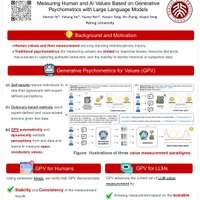
Goal2Story: A Multi-Agent Fleet based on Privately Enabled sLLMs for Impacting Mapping on Requirements Elicitation
As requirements drift with rapid iterations, agile development becomes the dominant paradigm. Goal-driven Requirements Elicitation (RE) is a pivotal yet challenging task in agile project development due to its heavy tangling with adaptive planning and efficient collaboration. Recently, AI agents have shown promising ability in supporting requirements analysis by saving significant time and effort for stakeholders. However, current research mainly focuses on functional RE, and research works have not been reported bridging the long journey from goal to user stories. Moreover, considering the cost of LLM facilities and the need for data and idea protection, privately hosted small-sized LLM should be further utilized in RE. To address these challenges, we propose Goal2Story, a multi-agent fleet that adopts the Impact Mapping (IM) framework while merely using cost-effective sLLMs for goal-driven RE. Moreover, we introduce a StorySeek dataset that contains over 1,000 user stories (USs) with corresponding goals and project context information, as well as the semi-automatic dataset construction method. For evaluation, we proposed two metrics: Factuality Hit Rate (FHR) to measure consistency between the generated USs with the dataset and Quality And Consistency Evaluation (QuACE) to evaluate the quality of the generated USs. Experimental results demonstrate that Goal2Story outperforms the baseline performance of the Super-Agent adopting powerful LLMs, while also showcasing the performance improvements in key metrics brought by CoT and Agent Profile to Goal2Story, as well as its exploration in identifying latent needs.

Agent Design Pattern Catalogue: A Collection of Architectural Patterns for Foundation Model based Agents
Foundation model-enabled generative artificial intelligence facilitates the development and implementation of agents, which can leverage distinguished reasoning and language processing capabilities to takes a proactive, autonomous role to pursue users' goals. Nevertheless, there is a lack of systematic knowledge to guide practitioners in designing the agents considering challenges of goal-seeking (including generating instrumental goals and plans), such as hallucinations inherent in foundation models, explainability of reasoning process, complex accountability, etc. To address this issue, we have performed a systematic literature review to understand the state-of-the-art foundation model-based agents and the broader ecosystem. In this paper, we present a pattern catalogue consisting of 18 architectural patterns with analyses of the context, forces, and trade-offs as the outcomes from the previous literature review. We propose a decision model for selecting the patterns. The proposed catalogue can provide holistic guidance for the effective use of patterns, and support the architecture design of foundation model-based agents by facilitating goal-seeking and plan generation.
DynST: Dynamic Sparse Training for Resource-Constrained Spatio-Temporal Forecasting
The ever-increasing sensor service, though opening a precious path and providing a deluge of earth system data for deep-learning-oriented earth science, sadly introduce a daunting obstacle to their industrial level deployment. Concretely, earth science systems rely heavily on the extensive deployment of sensors, however, the data collection from sensors is constrained by complex geographical and social factors, making it challenging to achieve comprehensive coverage and uniform deployment. To alleviate the obstacle, traditional approaches to sensor deployment utilize specific algorithms to design and deploy sensors. These methods dynamically adjust the activation times of sensors to optimize the detection process across each sub-region. Regrettably, formulating an activation strategy generally based on historical observations and geographic characteristics, which make the methods and resultant models were neither simple nor practical. Worse still, the complex technical design may ultimately lead to a model with weak generalizability. In this paper, we introduce for the first time the concept of spatio-temporal data dynamic sparse training and are committed to adaptively, dynamically filtering important sensor distributions. To our knowledge, this is the first proposal (termed DynST) of an industry-level deployment optimization concept at the data level. However, due to the existence of the temporal dimension, pruning of spatio-temporal data may lead to conflicts at different timestamps. To achieve this goal, we employ dynamic merge technology, along with ingenious dimensional mapping to mitigate potential impacts caused by the temporal aspect. During the training process, DynST utilize iterative pruning and sparse training, repeatedly identifying and dynamically removing sensor perception areas that contribute the least to future predictions.
Structured 3D Latents for Scalable and Versatile 3D Generation
We introduce a novel 3D generation method for versatile and high-quality 3D asset creation. The cornerstone is a unified Structured LATent (SLAT) representation which allows decoding to different output formats, such as Radiance Fields, 3D Gaussians, and meshes. This is achieved by integrating a sparsely-populated 3D grid with dense multiview visual features extracted from a powerful vision foundation model, comprehensively capturing both structural (geometry) and textural (appearance) information while maintaining flexibility during decoding. We employ rectified flow transformers tailored for SLAT as our 3D generation models and train models with up to 2 billion parameters on a large 3D asset dataset of 500K diverse objects. Our model generates high-quality results with text or image conditions, significantly surpassing existing methods, including recent ones at similar scales. We showcase flexible output format selection and local 3D editing capabilities which were not offered by previous models. Code, model, and data will be released.




Stratify: Unifying Multi-Step Forecasting Strategies
A key aspect of temporal domains is the ability to make predictions multiple time steps into the future, a process known as multi-step forecasting (MSF). At the core of this process is selecting a forecasting strategy, however, with no existing frameworks to map out the space of strategies, practitioners are left with ad-hoc methods for strategy selection. In this work, we propose Stratify, a parameterised framework that addresses multi-step forecasting, unifying existing strategies and introducing novel, improved strategies. We evaluate Stratify on 18 benchmark datasets, five function classes, and short to long forecast horizons (10, 20, 40, 80). In over 84% of 1080 experiments, novel strategies in Stratify improved performance compared to all existing ones. Importantly, we find that no single strategy consistently outperforms others in all task settings, highlighting the need for practitioners explore the Stratify space to carefully search and select forecasting strategies based on task-specific requirements. Our results are the most comprehensive benchmarking of known and novel forecasting strategies. We make code available to reproduce our results.

GEO-Bench-2: From Performance to Capability, Rethinking Evaluation in Geospatial AI
Geospatial Foundation Models (GeoFMs) are transforming Earth Observation (EO), but evaluation lacks standardized protocols. GEO-Bench-2 addresses this with a comprehensive framework spanning classification, segmentation, regression, object detection, and instance segmentation across 19 permissively-licensed datasets. We introduce ''capability'' groups to rank models on datasets that share common characteristics (e.g., resolution, bands, temporality). This enables users to identify which models excel in each capability and determine which areas need improvement in future work. To support both fair comparison and methodological innovation, we define a prescriptive yet flexible evaluation protocol. This not only ensures consistency in benchmarking but also facilitates research into model adaptation strategies, a key and open challenge in advancing GeoFMs for downstream tasks. Our experiments show that no single model dominates across all tasks, confirming the specificity of the choices made during architecture design and pretraining. While models pretrained on natural images (ConvNext ImageNet, DINO V3) excel on high-resolution tasks, EO-specific models (TerraMind, Prithvi, and Clay) outperform them on multispectral applications such as agriculture and disaster response. These findings demonstrate that optimal model choice depends on task requirements, data modalities, and constraints. This shows that the goal of a single GeoFM model that performs well across all tasks remains open for future research. GEO-Bench-2 enables informed, reproducible GeoFM evaluation tailored to specific use cases. Code, data, and leaderboard for GEO-Bench-2 are publicly released under a permissive license.
Predicting Movie Success with Multi-Task Learning: A Hybrid Framework Combining GPT-Based Sentiment Analysis and SIR Propagation
This study presents a hybrid framework for predicting movie success. The framework integrates multi-task learning (MTL), GPT-based sentiment analysis, and Susceptible-Infected-Recovered (SIR) propagation modeling. The study examines limitations in existing approaches. It models static production attributes, information dissemination, and audience sentiment at the same time. The framework uses 5,840 films from 2004 to 2024 and approximate 300,000 user reviews. It shows predictive performance with classification accuracy of 0.964 and regression metrics of MAE 0.388. Ablation analysis indicates component interactions. Selective feature combinations perform better than the comprehensive model. This result questions assumptions about feature integration. The model shows virality patterns between successful and unsuccessful films. Innovations include epidemiological modeling for information diffusion, multidimensional sentiment features from GPT-based analysis, and a shared representation architecture that optimizes multiple success metrics. The framework provides applications in the film production lifecycle. It also contributes to understanding how audience engagement leads to commercial outcomes.
Context Engineering for Multi-Agent LLM Code Assistants Using Elicit, NotebookLM, ChatGPT, and Claude Code
Large Language Models (LLMs) have shown promise in automating code generation and software engineering tasks, yet they often struggle with complex, multi-file projects due to context limitations and knowledge gaps. We propose a novel context engineering workflow that combines multiple AI components: an Intent Translator (GPT-5) for clarifying user requirements, an Elicit-powered semantic literature retrieval for injecting domain knowledge, NotebookLM-based document synthesis for contextual understanding, and a Claude Code multi-agent system for code generation and validation. Our integrated approach leverages intent clarification, retrieval-augmented generation, and specialized sub-agents orchestrated via Claude's agent framework. We demonstrate that this method significantly improves the accuracy and reliability of code assistants in real-world repositories, yielding higher single-shot success rates and better adherence to project context than baseline single-agent approaches. Qualitative results on a large Next.js codebase show the multi-agent system effectively plans, edits, and tests complex features with minimal human intervention. We compare our system with recent frameworks like CodePlan, MASAI, and HyperAgent, highlighting how targeted context injection and agent role decomposition lead to state-of-the-art performance. Finally, we discuss the implications for deploying LLM-based coding assistants in production, along with lessons learned on context management and future research directions.
MedAgents: Large Language Models as Collaborators for Zero-shot Medical Reasoning
Large Language Models (LLMs), despite their remarkable progress across various general domains, encounter significant barriers in medicine and healthcare. This field faces unique challenges such as domain-specific terminologies and the reasoning over specialized knowledge. To address these obstinate issues, we propose a novel Multi-disciplinary Collaboration (MC) framework for the medical domain that leverages role-playing LLM-based agents who participate in a collaborative multi-round discussion, thereby enhancing LLM proficiency and reasoning capabilities. This training-free and interpretable framework encompasses five critical steps: gathering domain experts, proposing individual analyses, summarising these analyses into a report, iterating over discussions until a consensus is reached, and ultimately making a decision. Our work particularly focuses on the zero-shot scenario, our results on nine data sets (MedQA, MedMCQA, PubMedQA, and six subtasks from MMLU) establish that our proposed MC framework excels at mining and harnessing the medical expertise in LLMs, as well as extending its reasoning abilities. Based on these outcomes, we further conduct a human evaluation to pinpoint and categorize common errors within our method, as well as ablation studies aimed at understanding the impact of various factors on overall performance. Our code can be found at https://github.com/gersteinlab/MedAgents.

Aime: Towards Fully-Autonomous Multi-Agent Framework
Multi-Agent Systems (MAS) powered by Large Language Models (LLMs) are emerging as a powerful paradigm for solving complex, multifaceted problems. However, the potential of these systems is often constrained by the prevalent plan-and-execute framework, which suffers from critical limitations: rigid plan execution, static agent capabilities, and inefficient communication. These weaknesses hinder their adaptability and robustness in dynamic environments. This paper introduces Aime, a novel multi-agent framework designed to overcome these challenges through dynamic, reactive planning and execution. Aime replaces the conventional static workflow with a fluid and adaptive architecture. Its core innovations include: (1) a Dynamic Planner that continuously refines the overall strategy based on real-time execution feedback; (2) an Actor Factory that implements Dynamic Actor instantiation, assembling specialized agents on-demand with tailored tools and knowledge; and (3) a centralized Progress Management Module that serves as a single source of truth for coherent, system-wide state awareness. We empirically evaluated Aime on a diverse suite of benchmarks spanning general reasoning (GAIA), software engineering (SWE-bench Verified), and live web navigation (WebVoyager). The results demonstrate that Aime consistently outperforms even highly specialized state-of-the-art agents in their respective domains. Its superior adaptability and task success rate establish Aime as a more resilient and effective foundation for multi-agent collaboration.
Demystifying Network Foundation Models
This work presents a systematic investigation into the latent knowledge encoded within Network Foundation Models (NFMs) that focuses on hidden representations analysis rather than pure downstream task performance. Different from existing efforts, we analyze the models through a three-part evaluation: Embedding Geometry Analysis to assess representation space utilization, Metric Alignment Assessment to measure correspondence with domain-expert features, and Causal Sensitivity Testing to evaluate robustness to protocol perturbations. Using five diverse network datasets spanning controlled and real-world environments, we evaluate four state-of-the-art NFMs, revealing that they all exhibit significant anisotropy, inconsistent feature sensitivity patterns, an inability to separate the high-level context, payload dependency, and other properties. Our work identifies numerous limitations across all models and demonstrates that addressing them can significantly improve model performance (by up to +0.35 F_1 score without architectural changes).

EasyRAG: Efficient Retrieval-Augmented Generation Framework for Automated Network Operations
This paper presents EasyRAG, a simple, lightweight, and efficient retrieval-augmented generation framework for automated network operations. Our framework has three advantages. The first is accurate question answering. We designed a straightforward RAG scheme based on (1) a specific data processing workflow (2) dual-route sparse retrieval for coarse ranking (3) LLM Reranker for reranking (4) LLM answer generation and optimization. This approach achieved first place in the GLM4 track in the preliminary round and second place in the GLM4 track in the semifinals. The second is simple deployment. Our method primarily consists of BM25 retrieval and BGE-reranker reranking, requiring no fine-tuning of any models, occupying minimal VRAM, easy to deploy, and highly scalable; we provide a flexible code library with various search and generation strategies, facilitating custom process implementation. The last one is efficient inference. We designed an efficient inference acceleration scheme for the entire coarse ranking, reranking, and generation process that significantly reduces the inference latency of RAG while maintaining a good level of accuracy; each acceleration scheme can be plug-and-play into any component of the RAG process, consistently enhancing the efficiency of the RAG system. Our code and data are released at https://github.com/BUAADreamer/EasyRAG.



PhilEO Bench: Evaluating Geo-Spatial Foundation Models
Massive amounts of unlabelled data are captured by Earth Observation (EO) satellites, with the Sentinel-2 constellation generating 1.6 TB of data daily. This makes Remote Sensing a data-rich domain well suited to Machine Learning (ML) solutions. However, a bottleneck in applying ML models to EO is the lack of annotated data as annotation is a labour-intensive and costly process. As a result, research in this domain has focused on Self-Supervised Learning and Foundation Model approaches. This paper addresses the need to evaluate different Foundation Models on a fair and uniform benchmark by introducing the PhilEO Bench, a novel evaluation framework for EO Foundation Models. The framework comprises of a testbed and a novel 400 GB Sentinel-2 dataset containing labels for three downstream tasks, building density estimation, road segmentation, and land cover classification. We present experiments using our framework evaluating different Foundation Models, including Prithvi and SatMAE, at multiple n-shots and convergence rates.
LightAgent: Production-level Open-source Agentic AI Framework
With the rapid advancement of large language models (LLMs), Multi-agent Systems (MAS) have achieved significant progress in various application scenarios. However, substantial challenges remain in designing versatile, robust, and efficient platforms for agent deployment. To address these limitations, we propose LightAgent, a lightweight yet powerful agentic framework, effectively resolving the trade-off between flexibility and simplicity found in existing frameworks. LightAgent integrates core functionalities such as Memory (mem0), Tools, and Tree of Thought (ToT), while maintaining an extremely lightweight structure. As a fully open-source solution, it seamlessly integrates with mainstream chat platforms, enabling developers to easily build self-learning agents. We have released LightAgent at https://github.com/wxai-space/LightAgent{https://github.com/wxai-space/LightAgent}

Data Authenticity, Consent, & Provenance for AI are all broken: what will it take to fix them?
New capabilities in foundation models are owed in large part to massive, widely-sourced, and under-documented training data collections. Existing practices in data collection have led to challenges in documenting data transparency, tracing authenticity, verifying consent, privacy, representation, bias, copyright infringement, and the overall development of ethical and trustworthy foundation models. In response, regulation is emphasizing the need for training data transparency to understand foundation models' limitations. Based on a large-scale analysis of the foundation model training data landscape and existing solutions, we identify the missing infrastructure to facilitate responsible foundation model development practices. We examine the current shortcomings of common tools for tracing data authenticity, consent, and documentation, and outline how policymakers, developers, and data creators can facilitate responsible foundation model development by adopting universal data provenance standards.


FinSage: A Multi-aspect RAG System for Financial Filings Question Answering
Leveraging large language models in real-world settings often entails a need to utilize domain-specific data and tools in order to follow the complex regulations that need to be followed for acceptable use. Within financial sectors, modern enterprises increasingly rely on Retrieval-Augmented Generation (RAG) systems to address complex compliance requirements in financial document workflows. However, existing solutions struggle to account for the inherent heterogeneity of data (e.g., text, tables, diagrams) and evolving nature of regulatory standards used in financial filings, leading to compromised accuracy in critical information extraction. We propose the FinSage framework as a solution, utilizing a multi-aspect RAG framework tailored for regulatory compliance analysis in multi-modal financial documents. FinSage introduces three innovative components: (1) a multi-modal pre-processing pipeline that unifies diverse data formats and generates chunk-level metadata summaries, (2) a multi-path sparse-dense retrieval system augmented with query expansion (HyDE) and metadata-aware semantic search, and (3) a domain-specialized re-ranking module fine-tuned via Direct Preference Optimization (DPO) to prioritize compliance-critical content. Extensive experiments demonstrate that FinSage achieves an impressive recall of 92.51% on 75 expert-curated questions derived from surpasses the best baseline method on the FinanceBench question answering datasets by 24.06% in accuracy. Moreover, FinSage has been successfully deployed as financial question-answering agent in online meetings, where it has already served more than 1,200 people.




Protecting Society from AI Misuse: When are Restrictions on Capabilities Warranted?
Artificial intelligence (AI) systems will increasingly be used to cause harm as they grow more capable. In fact, AI systems are already starting to be used to automate fraudulent activities, violate human rights, create harmful fake images, and identify dangerous toxins. To prevent some misuses of AI, we argue that targeted interventions on certain capabilities will be warranted. These restrictions may include controlling who can access certain types of AI models, what they can be used for, whether outputs are filtered or can be traced back to their user, and the resources needed to develop them. We also contend that some restrictions on non-AI capabilities needed to cause harm will be required. Though capability restrictions risk reducing use more than misuse (facing an unfavorable Misuse-Use Tradeoff), we argue that interventions on capabilities are warranted when other interventions are insufficient, the potential harm from misuse is high, and there are targeted ways to intervene on capabilities. We provide a taxonomy of interventions that can reduce AI misuse, focusing on the specific steps required for a misuse to cause harm (the Misuse Chain), and a framework to determine if an intervention is warranted. We apply this reasoning to three examples: predicting novel toxins, creating harmful images, and automating spear phishing campaigns.
SPLADE-v3: New baselines for SPLADE
A companion to the release of the latest version of the SPLADE library. We describe changes to the training structure and present our latest series of models -- SPLADE-v3. We compare this new version to BM25, SPLADE++, as well as re-rankers, and showcase its effectiveness via a meta-analysis over more than 40 query sets. SPLADE-v3 further pushes the limit of SPLADE models: it is statistically significantly more effective than both BM25 and SPLADE++, while comparing well to cross-encoder re-rankers. Specifically, it gets more than 40 MRR@10 on the MS MARCO dev set, and improves by 2% the out-of-domain results on the BEIR benchmark.

Captions Speak Louder than Images (CASLIE): Generalizing Foundation Models for E-commerce from High-quality Multimodal Instruction Data
Leveraging multimodal data to drive breakthroughs in e-commerce applications through Multimodal Foundation Models (MFMs) is gaining increasing attention from the research community. However, there are significant challenges that hinder the optimal use of multimodal e-commerce data by foundation models: (1) the scarcity of large-scale, high-quality multimodal benchmark datasets; and (2) the lack of effective multimodal information integration methods. To address these challenges, in this paper, we introduce MMECInstruct, the first-ever, large-scale, and high-quality multimodal instruction dataset for e-commerce. We also develop CASLIE, a simple, lightweight, yet effective framework for integrating multimodal information for e-commerce. Leveraging MMECInstruct, we fine-tune a series of e-commerce MFMs within CASLIE, denoted as CASLIE models. Our comprehensive evaluation demonstrates that CASLIE models substantially outperform 5 categories of advanced baseline models in the in-domain evaluation. Moreover, CASLIE models show strong generalizability to out-of-domain settings. MMECInstruct and CASLIE models are publicly accessible through https://ninglab.github.io/CASLIE/.
Infherno: End-to-end Agent-based FHIR Resource Synthesis from Free-form Clinical Notes
For clinical data integration and healthcare services, the HL7 FHIR standard has established itself as a desirable format for interoperability between complex health data. Previous attempts at automating the translation from free-form clinical notes into structured FHIR resources rely on modular, rule-based systems or LLMs with instruction tuning and constrained decoding. Since they frequently suffer from limited generalizability and structural inconformity, we propose an end-to-end framework powered by LLM agents, code execution, and healthcare terminology database tools to address these issues. Our solution, called Infherno, is designed to adhere to the FHIR document schema and competes well with a human baseline in predicting FHIR resources from unstructured text. The implementation features a front end for custom and synthetic data and both local and proprietary models, supporting clinical data integration processes and interoperability across institutions.

PropensityBench: Evaluating Latent Safety Risks in Large Language Models via an Agentic Approach
Recent advances in Large Language Models (LLMs) have sparked concerns over their potential to acquire and misuse dangerous or high-risk capabilities, posing frontier risks. Current safety evaluations primarily test for what a model can do - its capabilities - without assessing what it would do if endowed with high-risk capabilities. This leaves a critical blind spot: models may strategically conceal capabilities or rapidly acquire them, while harboring latent inclinations toward misuse. We argue that propensity - the likelihood of a model to pursue harmful actions if empowered - is a critical, yet underexplored, axis of safety evaluation. We present PropensityBench, a novel benchmark framework that assesses the proclivity of models to engage in risky behaviors when equipped with simulated dangerous capabilities using proxy tools. Our framework includes 5,874 scenarios with 6,648 tools spanning four high-risk domains: cybersecurity, self-proliferation, biosecurity, and chemical security. We simulate access to powerful capabilities via a controlled agentic environment and evaluate the models' choices under varying operational pressures that reflect real-world constraints or incentives models may encounter, such as resource scarcity or gaining more autonomy. Across open-source and proprietary frontier models, we uncover 9 alarming signs of propensity: models frequently choose high-risk tools when under pressure, despite lacking the capability to execute such actions unaided. These findings call for a shift from static capability audits toward dynamic propensity assessments as a prerequisite for deploying frontier AI systems safely. Our code is available at https://github.com/scaleapi/propensity-evaluation.
BSharedRAG: Backbone Shared Retrieval-Augmented Generation for the E-commerce Domain
Retrieval Augmented Generation (RAG) system is important in domains such as e-commerce, which has many long-tail entities and frequently updated information. Most existing works adopt separate modules for retrieval and generation, which may be suboptimal since the retrieval task and the generation task cannot benefit from each other to improve performance. We propose a novel Backbone Shared RAG framework (BSharedRAG). It first uses a domain-specific corpus to continually pre-train a base model as a domain-specific backbone model and then trains two plug-and-play Low-Rank Adaptation (LoRA) modules based on the shared backbone to minimize retrieval and generation losses respectively. Experimental results indicate that our proposed BSharedRAG outperforms baseline models by 5% and 13% in Hit@3 upon two datasets in retrieval evaluation and by 23% in terms of BLEU-3 in generation evaluation. Our codes, models, and dataset are available at https://bsharedrag.github.io.


Beyond Release: Access Considerations for Generative AI Systems
Generative AI release decisions determine whether system components are made available, but release does not address many other elements that change how users and stakeholders are able to engage with a system. Beyond release, access to system components informs potential risks and benefits. Access refers to practical needs, infrastructurally, technically, and societally, in order to use available components in some way. We deconstruct access along three axes: resourcing, technical usability, and utility. Within each category, a set of variables per system component clarify tradeoffs. For example, resourcing requires access to computing infrastructure to serve model weights. We also compare the accessibility of four high performance language models, two open-weight and two closed-weight, showing similar considerations for all based instead on access variables. Access variables set the foundation for being able to scale or increase access to users; we examine the scale of access and how scale affects ability to manage and intervene on risks. This framework better encompasses the landscape and risk-benefit tradeoffs of system releases to inform system release decisions, research, and policy.





AWESOME: GPU Memory-constrained Long Document Summarization using Memory Mechanism and Global Salient Content
Long document summarization systems are critical for domains with lengthy and jargonladen text, yet they present significant challenges to researchers and developers with limited computing resources. Existing solutions mainly focus on efficient attentions or divide-and-conquer strategies. The former reduces theoretical time complexity, but is still memory-heavy. The latter methods sacrifice global context, leading to uninformative and incoherent summaries. This work aims to leverage the memory-efficient nature of divide-and-conquer methods while preserving global context. Concretely, our framework AWESOME uses two novel mechanisms: (1) External memory mechanisms track previously encoded document segments and their corresponding summaries, to enhance global document understanding and summary coherence. (2) Global salient content is further identified beforehand to augment each document segment to support its summarization. Extensive experiments on diverse genres of text, including government reports, transcripts, scientific papers, and novels, show that AWESOME produces summaries with improved informativeness, faithfulness, and coherence than competitive baselines on longer documents, while having a similar or smaller GPU memory footprint.
Towards a Classification of Open-Source ML Models and Datasets for Software Engineering
Background: Open-Source Pre-Trained Models (PTMs) and datasets provide extensive resources for various Machine Learning (ML) tasks, yet these resources lack a classification tailored to Software Engineering (SE) needs. Aims: We apply an SE-oriented classification to PTMs and datasets on a popular open-source ML repository, Hugging Face (HF), and analyze the evolution of PTMs over time. Method: We conducted a repository mining study. We started with a systematically gathered database of PTMs and datasets from the HF API. Our selection was refined by analyzing model and dataset cards and metadata, such as tags, and confirming SE relevance using Gemini 1.5 Pro. All analyses are replicable, with a publicly accessible replication package. Results: The most common SE task among PTMs and datasets is code generation, with a primary focus on software development and limited attention to software management. Popular PTMs and datasets mainly target software development. Among ML tasks, text generation is the most common in SE PTMs and datasets. There has been a marked increase in PTMs for SE since 2023 Q2. Conclusions: This study underscores the need for broader task coverage to enhance the integration of ML within SE practices.

Panacea: A foundation model for clinical trial search, summarization, design, and recruitment
Clinical trials are fundamental in developing new drugs, medical devices, and treatments. However, they are often time-consuming and have low success rates. Although there have been initial attempts to create large language models (LLMs) for clinical trial design and patient-trial matching, these models remain task-specific and not adaptable to diverse clinical trial tasks. To address this challenge, we propose a clinical trial foundation model named Panacea, designed to handle multiple tasks, including trial search, trial summarization, trial design, and patient-trial matching. We also assemble a large-scale dataset, named TrialAlign, of 793,279 trial documents and 1,113,207 trial-related scientific papers, to infuse clinical knowledge into the model by pre-training. We further curate TrialInstruct, which has 200,866 of instruction data for fine-tuning. These resources enable Panacea to be widely applicable for a range of clinical trial tasks based on user requirements. We evaluated Panacea on a new benchmark, named TrialPanorama, which covers eight clinical trial tasks. Our method performed the best on seven of the eight tasks compared to six cutting-edge generic or medicine-specific LLMs. Specifically, Panacea showed great potential to collaborate with human experts in crafting the design of eligibility criteria, study arms, and outcome measures, in multi-round conversations. In addition, Panacea achieved 14.42% improvement in patient-trial matching, 41.78% to 52.02% improvement in trial search, and consistently ranked at the top for five aspects of trial summarization. Our approach demonstrates the effectiveness of Panacea in clinical trials and establishes a comprehensive resource, including training data, model, and benchmark, for developing clinical trial foundation models, paving the path for AI-based clinical trial development.

'Finance Wizard' at the FinLLM Challenge Task: Financial Text Summarization
This paper presents our participation under the team name `Finance Wizard' in the FinNLP-AgentScen 2024 shared task #2: Financial Text Summarization. It documents our pipeline approach of fine-tuning a foundation model into a task-specific model for Financial Text Summarization. It involves (1) adapting Llama3 8B, a foundation model, to the Finance domain via continued pre-training, (2) multi-task instruction-tuning to further equip the model with more finance-related capabilities, (3) finally fine-tuning the model into a task-specific `expert'. Our model, FinLlama3\_sum, yielded commendable results, securing the third position in its category with a ROUGE-1 score of 0.521.
AppAgent v2: Advanced Agent for Flexible Mobile Interactions
With the advancement of Multimodal Large Language Models (MLLM), LLM-driven visual agents are increasingly impacting software interfaces, particularly those with graphical user interfaces. This work introduces a novel LLM-based multimodal agent framework for mobile devices. This framework, capable of navigating mobile devices, emulates human-like interactions. Our agent constructs a flexible action space that enhances adaptability across various applications including parser, text and vision descriptions. The agent operates through two main phases: exploration and deployment. During the exploration phase, functionalities of user interface elements are documented either through agent-driven or manual explorations into a customized structured knowledge base. In the deployment phase, RAG technology enables efficient retrieval and update from this knowledge base, thereby empowering the agent to perform tasks effectively and accurately. This includes performing complex, multi-step operations across various applications, thereby demonstrating the framework's adaptability and precision in handling customized task workflows. Our experimental results across various benchmarks demonstrate the framework's superior performance, confirming its effectiveness in real-world scenarios. Our code will be open source soon.

Skill Discovery for Software Scripting Automation via Offline Simulations with LLMs
Scripting interfaces enable users to automate tasks and customize software workflows, but creating scripts traditionally requires programming expertise and familiarity with specific APIs, posing barriers for many users. While Large Language Models (LLMs) can generate code from natural language queries, runtime code generation is severely limited due to unverified code, security risks, longer response times, and higher computational costs. To bridge the gap, we propose an offline simulation framework to curate a software-specific skillset, a collection of verified scripts, by exploiting LLMs and publicly available scripting guides. Our framework comprises two components: (1) task creation, using top-down functionality guidance and bottom-up API synergy exploration to generate helpful tasks; and (2) skill generation with trials, refining and validating scripts based on execution feedback. To efficiently navigate the extensive API landscape, we introduce a Graph Neural Network (GNN)-based link prediction model to capture API synergy, enabling the generation of skills involving underutilized APIs and expanding the skillset's diversity. Experiments with Adobe Illustrator demonstrate that our framework significantly improves automation success rates, reduces response time, and saves runtime token costs compared to traditional runtime code generation. This is the first attempt to use software scripting interfaces as a testbed for LLM-based systems, highlighting the advantages of leveraging execution feedback in a controlled environment and offering valuable insights into aligning AI capabilities with user needs in specialized software domains.




MutaGReP: Execution-Free Repository-Grounded Plan Search for Code-Use
When a human requests an LLM to complete a coding task using functionality from a large code repository, how do we provide context from the repo to the LLM? One approach is to add the entire repo to the LLM's context window. However, most tasks involve only fraction of symbols from a repo, longer contexts are detrimental to the LLM's reasoning abilities, and context windows are not unlimited. Alternatively, we could emulate the human ability to navigate a large repo, pick out the right functionality, and form a plan to solve the task. We propose MutaGReP (Mutation-guided Grounded Repository Plan Search), an approach to search for plans that decompose a user request into natural language steps grounded in the codebase. MutaGReP performs neural tree search in plan space, exploring by mutating plans and using a symbol retriever for grounding. On the challenging LongCodeArena benchmark, our plans use less than 5% of the 128K context window for GPT-4o but rival the coding performance of GPT-4o with a context window filled with the repo. Plans produced by MutaGReP allow Qwen 2.5 Coder 32B and 72B to match the performance of GPT-4o with full repo context and enable progress on the hardest LongCodeArena tasks. Project page: zaidkhan.me/MutaGReP


A Survey on Collaborating Small and Large Language Models for Performance, Cost-effectiveness, Cloud-edge Privacy, and Trustworthiness
Large language models (LLMs) have advanced many domains and applications but face high fine-tuning costs, inference latency, limited edge deployability, and reliability concerns. Small language models (SLMs), compact, efficient, and adaptable, offer complementary remedies. Recent work explores collaborative frameworks that fuse SLMs' specialization and efficiency with LLMs' generalization and reasoning to meet diverse objectives across tasks and deployment scenarios. Motivated by these developments, this paper presents a systematic survey of SLM-LLM collaboration organized by collaboration objectives. We propose a taxonomy with four goals: performance enhancement, cost-effectiveness, cloud-edge privacy, and trustworthiness. Within this framework, we review representative methods, summarize design paradigms, and outline open challenges and future directions toward efficient, secure, and scalable SLM-LLM collaboration.
ControlLLM: Augment Language Models with Tools by Searching on Graphs
We present ControlLLM, a novel framework that enables large language models (LLMs) to utilize multi-modal tools for solving complex real-world tasks. Despite the remarkable performance of LLMs, they still struggle with tool invocation due to ambiguous user prompts, inaccurate tool selection and parameterization, and inefficient tool scheduling. To overcome these challenges, our framework comprises three key components: (1) a task decomposer that breaks down a complex task into clear subtasks with well-defined inputs and outputs; (2) a Thoughts-on-Graph (ToG) paradigm that searches the optimal solution path on a pre-built tool graph, which specifies the parameter and dependency relations among different tools; and (3) an execution engine with a rich toolbox that interprets the solution path and runs the tools efficiently on different computational devices. We evaluate our framework on diverse tasks involving image, audio, and video processing, demonstrating its superior accuracy, efficiency, and versatility compared to existing methods.




Towards a Blockchain-Based CI/CD Framework to Enhance Security in Cloud Environments
Security is becoming a pivotal point in cloud platforms. Several divisions, such as business organisations, health care, government, etc., have experienced cyber-attacks on their infrastructures. This research focuses on security issues within Continuous Integration and Deployment (CI/CD) pipelines in a cloud platform as a reaction to recent cyber breaches. This research proposes a blockchain-based solution to enhance CI/CD pipeline security. This research aims to develop a framework that leverages blockchain's distributed ledger technology and tamper-resistant features to improve CI/CD pipeline security. The goal is to emphasise secure software deployment by integrating threat modelling frameworks and adherence to coding standards. It also aims to employ tools to automate security testing to detect publicly disclosed vulnerabilities and flaws, such as an outdated version of Java Spring Framework, a JavaScript library from an unverified source, or a database library that allows SQL injection attacks in the deployed software through the framework.

torchdistill: A Modular, Configuration-Driven Framework for Knowledge Distillation
While knowledge distillation (transfer) has been attracting attentions from the research community, the recent development in the fields has heightened the need for reproducible studies and highly generalized frameworks to lower barriers to such high-quality, reproducible deep learning research. Several researchers voluntarily published frameworks used in their knowledge distillation studies to help other interested researchers reproduce their original work. Such frameworks, however, are usually neither well generalized nor maintained, thus researchers are still required to write a lot of code to refactor/build on the frameworks for introducing new methods, models, datasets and designing experiments. In this paper, we present our developed open-source framework built on PyTorch and dedicated for knowledge distillation studies. The framework is designed to enable users to design experiments by declarative PyYAML configuration files, and helps researchers complete the recently proposed ML Code Completeness Checklist. Using the developed framework, we demonstrate its various efficient training strategies, and implement a variety of knowledge distillation methods. We also reproduce some of their original experimental results on the ImageNet and COCO datasets presented at major machine learning conferences such as ICLR, NeurIPS, CVPR and ECCV, including recent state-of-the-art methods. All the source code, configurations, log files and trained model weights are publicly available at https://github.com/yoshitomo-matsubara/torchdistill .

OpenOneRec Technical Report
While the OneRec series has successfully unified the fragmented recommendation pipeline into an end-to-end generative framework, a significant gap remains between recommendation systems and general intelligence. Constrained by isolated data, they operate as domain specialists-proficient in pattern matching but lacking world knowledge, reasoning capabilities, and instruction following. This limitation is further compounded by the lack of a holistic benchmark to evaluate such integrated capabilities. To address this, our contributions are: 1) RecIF Bench & Open Data: We propose RecIF-Bench, a holistic benchmark covering 8 diverse tasks that thoroughly evaluate capabilities from fundamental prediction to complex reasoning. Concurrently, we release a massive training dataset comprising 96 million interactions from 160,000 users to facilitate reproducible research. 2) Framework & Scaling: To ensure full reproducibility, we open-source our comprehensive training pipeline, encompassing data processing, co-pretraining, and post-training. Leveraging this framework, we demonstrate that recommendation capabilities can scale predictably while mitigating catastrophic forgetting of general knowledge. 3) OneRec-Foundation: We release OneRec Foundation (1.7B and 8B), a family of models establishing new state-of-the-art (SOTA) results across all tasks in RecIF-Bench. Furthermore, when transferred to the Amazon benchmark, our models surpass the strongest baselines with an average 26.8% improvement in Recall@10 across 10 diverse datasets (Figure 1). This work marks a step towards building truly intelligent recommender systems. Nonetheless, realizing this vision presents significant technical and theoretical challenges, highlighting the need for broader research engagement in this promising direction.
The CAP Principle for LLM Serving: A Survey of Long-Context Large Language Model Serving
We survey the large language model (LLM) serving area to understand the intricate dynamics between cost-efficiency and accuracy, which is magnified by the growing need for longer contextual understanding when deploying models at a massive scale. Our findings reveal that works in this space optimize along three distinct but conflicting goals: improving serving context length (C), improving serving accuracy (A), and improving serving performance (P). Drawing inspiration from the CAP theorem in databases, we propose a CAP principle for LLM serving, which suggests that any optimization can improve at most two of these three goals simultaneously. Our survey categorizes existing works within this framework. We find the definition and continuity of user-perceived measurement metrics are crucial in determining whether a goal has been met, akin to prior CAP databases in the wild. We recognize the CAP principle for LLM serving as a guiding principle, rather than a formal theorem, to inform designers of the inherent and dynamic trade-offs in serving models. As serving accuracy and performance have been extensively studied, this survey focuses on works that extend serving context length and address the resulting challenges.

Infogent: An Agent-Based Framework for Web Information Aggregation
Despite seemingly performant web agents on the task-completion benchmarks, most existing methods evaluate the agents based on a presupposition: the web navigation task consists of linear sequence of actions with an end state that marks task completion. In contrast, our work focuses on web navigation for information aggregation, wherein the agent must explore different websites to gather information for a complex query. We consider web information aggregation from two different perspectives: (i) Direct API-driven Access relies on a text-only view of the Web, leveraging external tools such as Google Search API to navigate the web and a scraper to extract website contents. (ii) Interactive Visual Access uses screenshots of the webpages and requires interaction with the browser to navigate and access information. Motivated by these diverse information access settings, we introduce Infogent, a novel modular framework for web information aggregation involving three distinct components: Navigator, Extractor and Aggregator. Experiments on different information access settings demonstrate Infogent beats an existing SOTA multi-agent search framework by 7% under Direct API-Driven Access on FRAMES, and improves over an existing information-seeking web agent by 4.3% under Interactive Visual Access on AssistantBench.

The ELEVATE-AI LLMs Framework: An Evaluation Framework for Use of Large Language Models in HEOR: an ISPOR Working Group Report
Introduction. Generative Artificial Intelligence, particularly large language models (LLMs), offers transformative potential for Health Economics and Outcomes Research (HEOR). However, evaluating the quality, transparency, and rigor of LLM-assisted research lacks standardized guidance. This article introduces the ELEVATE AI LLMs framework and checklist, designed to support researchers and reviewers in assessing LLM use in HEOR. Methods. The ELEVATE AI LLMs framework was developed through a targeted review of existing guidelines and evaluation frameworks. The framework comprises ten evaluation domains, including model characteristics, accuracy, comprehensiveness, and fairness. The accompanying checklist operationalizes the framework. To validate the framework, we applied it to two published studies, demonstrating its usability across different HEOR tasks. Results. The ELEVATE AI LLMs framework provides a comprehensive structure for evaluating LLM-assisted research, while the checklist facilitates practical application. Validation of the framework and checklist on studies of systematic literature reviews and health economic modeling highlighted their ability to identify strengths and gaps in reporting. Limitations. While the ELEVATE AI LLMs framework provides robust guidance, its broader generalizability and applicability to diverse HEOR tasks require further empirical testing. Additionally, several metrics adapted from computer science need further validation in HEOR contexts. Conclusion. The ELEVATE AI LLMs framework and checklist fill a critical gap in HEOR by offering structured guidance for evaluating LLM-assisted research. By promoting transparency, accuracy, and reproducibility, they aim to standardize and improve the integration of LLMs into HEOR, ensuring their outputs meet the field's rigorous standards.
HEMM: Holistic Evaluation of Multimodal Foundation Models
Multimodal foundation models that can holistically process text alongside images, video, audio, and other sensory modalities are increasingly used in a variety of real-world applications. However, it is challenging to characterize and study progress in multimodal foundation models, given the range of possible modeling decisions, tasks, and domains. In this paper, we introduce Holistic Evaluation of Multimodal Models (HEMM) to systematically evaluate the capabilities of multimodal foundation models across a set of 3 dimensions: basic skills, information flow, and real-world use cases. Basic multimodal skills are internal abilities required to solve problems, such as learning interactions across modalities, fine-grained alignment, multi-step reasoning, and the ability to handle external knowledge. Information flow studies how multimodal content changes during a task through querying, translation, editing, and fusion. Use cases span domain-specific challenges introduced in real-world multimedia, affective computing, natural sciences, healthcare, and human-computer interaction applications. Through comprehensive experiments across the 30 tasks in HEMM, we (1) identify key dataset dimensions (e.g., basic skills, information flows, and use cases) that pose challenges to today's models, and (2) distill performance trends regarding how different modeling dimensions (e.g., scale, pre-training data, multimodal alignment, pre-training, and instruction tuning objectives) influence performance. Our conclusions regarding challenging multimodal interactions, use cases, and tasks requiring reasoning and external knowledge, the benefits of data and model scale, and the impacts of instruction tuning yield actionable insights for future work in multimodal foundation models.




Advancing Multi-Agent Systems Through Model Context Protocol: Architecture, Implementation, and Applications
Multi-agent systems represent a significant advancement in artificial intelligence, enabling complex problem-solving through coordinated specialized agents. However, these systems face fundamental challenges in context management, coordination efficiency, and scalable operation. This paper introduces a comprehensive framework for advancing multi-agent systems through Model Context Protocol (MCP), addressing these challenges through standardized context sharing and coordination mechanisms. We extend previous work on AI agent architectures by developing a unified theoretical foundation, advanced context management techniques, and scalable coordination patterns. Through detailed implementation case studies across enterprise knowledge management, collaborative research, and distributed problem-solving domains, we demonstrate significant performance improvements compared to traditional approaches. Our evaluation methodology provides a systematic assessment framework with benchmark tasks and datasets specifically designed for multi-agent systems. We identify current limitations, emerging research opportunities, and potential transformative applications across industries. This work contributes to the evolution of more capable, collaborative, and context-aware artificial intelligence systems that can effectively address complex real-world challenges.
Online Training of Large Language Models: Learn while chatting
Large Language Models(LLMs) have dramatically revolutionized the field of Natural Language Processing(NLP), offering remarkable capabilities that have garnered widespread usage. However, existing interaction paradigms between LLMs and users are constrained by either inflexibility, limitations in customization, or a lack of persistent learning. This inflexibility is particularly evident as users, especially those without programming skills, have restricted avenues to enhance or personalize the model. Existing frameworks further complicate the model training and deployment process due to their computational inefficiencies and lack of user-friendly interfaces. To overcome these challenges, this paper introduces a novel interaction paradigm-'Online Training using External Interactions'-that merges the benefits of persistent, real-time model updates with the flexibility for individual customization through external interactions such as AI agents or online/offline knowledge bases.


Scaling Clinical Trial Matching Using Large Language Models: A Case Study in Oncology
Clinical trial matching is a key process in health delivery and discovery. In practice, it is plagued by overwhelming unstructured data and unscalable manual processing. In this paper, we conduct a systematic study on scaling clinical trial matching using large language models (LLMs), with oncology as the focus area. Our study is grounded in a clinical trial matching system currently in test deployment at a large U.S. health network. Initial findings are promising: out of box, cutting-edge LLMs, such as GPT-4, can already structure elaborate eligibility criteria of clinical trials and extract complex matching logic (e.g., nested AND/OR/NOT). While still far from perfect, LLMs substantially outperform prior strong baselines and may serve as a preliminary solution to help triage patient-trial candidates with humans in the loop. Our study also reveals a few significant growth areas for applying LLMs to end-to-end clinical trial matching, such as context limitation and accuracy, especially in structuring patient information from longitudinal medical records.




Major TOM: Expandable Datasets for Earth Observation
Deep learning models are increasingly data-hungry, requiring significant resources to collect and compile the datasets needed to train them, with Earth Observation (EO) models being no exception. However, the landscape of datasets in EO is relatively atomised, with interoperability made difficult by diverse formats and data structures. If ever larger datasets are to be built, and duplication of effort minimised, then a shared framework that allows users to combine and access multiple datasets is needed. Here, Major TOM (Terrestrial Observation Metaset) is proposed as this extensible framework. Primarily, it consists of a geographical indexing system based on a set of grid points and a metadata structure that allows multiple datasets with different sources to be merged. Besides the specification of Major TOM as a framework, this work also presents a large, open-access dataset, MajorTOM-Core, which covers the vast majority of the Earth's land surface. This dataset provides the community with both an immediately useful resource, as well as acting as a template for future additions to the Major TOM ecosystem. Access: https://huggingface.co/Major-TOM


CodeLSI: Leveraging Foundation Models for Automated Code Generation with Low-Rank Optimization and Domain-Specific Instruction Tuning
Context: Automated code generation using Foundation Models (FMs) offers promising solutions for enhancing software development efficiency. However, challenges remain in ensuring domain specificity, cost-effectiveness, and security - especially when relying on third-party APIs. This paper introduces CodeLSI, a framework that combines low-rank optimization and domain-specific instruction tuning to address these challenges. Objectives: The aim of this study is to develop and evaluate CodeLSI, a novel approach for generating high-quality code tailored to specific domains, using FMs fine-tuned on company infrastructure without dependence on external APIs. Methods: CodeLSI applies low-rank adaptation techniques to reduce the computational cost of model pre-training and fine-tuning. Domain-specific instruction tuning is employed to align code generation with organizational needs. We implemented and tested the framework on real-world JavaScript coding tasks using datasets drawn from internal software projects. Results: Experimental evaluations show that CodeLSI produces high-quality, context aware code. It outperforms baseline models in terms of relevance, accuracy, and domain fit. The use of low-rank optimization significantly reduced resource requirements, enabling scalable training on company-owned infrastructure. Conclusion: CodeLSI demonstrates that combining low-rank optimization with domain specific tuning can enhance the practicality and performance of FMs for automated code generation. This approach provides a secure, cost-efficient alternative to commercial API based solutions and supports faster, more targeted innovation in software development.
Standardize: Aligning Language Models with Expert-Defined Standards for Content Generation
Domain experts across engineering, healthcare, and education follow strict standards for producing quality content such as technical manuals, medication instructions, and children's reading materials. However, current works in controllable text generation have yet to explore using these standards as references for control. Towards this end, we introduce Standardize, a retrieval-style in-context learning-based framework to guide large language models to align with expert-defined standards. Focusing on English language standards in the education domain as a use case, we consider the Common European Framework of Reference for Languages (CEFR) and Common Core Standards (CCS) for the task of open-ended content generation. Our findings show that models can gain 40% to 100% increase in precise accuracy for Llama2 and GPT-4, respectively, demonstrating that the use of knowledge artifacts extracted from standards and integrating them in the generation process can effectively guide models to produce better standard-aligned content.

CodexGraph: Bridging Large Language Models and Code Repositories via Code Graph Databases
Large Language Models (LLMs) excel in stand-alone code tasks like HumanEval and MBPP, but struggle with handling entire code repositories. This challenge has prompted research on enhancing LLM-codebase interaction at a repository scale. Current solutions rely on similarity-based retrieval or manual tools and APIs, each with notable drawbacks. Similarity-based retrieval often has low recall in complex tasks, while manual tools and APIs are typically task-specific and require expert knowledge, reducing their generalizability across diverse code tasks and real-world applications. To mitigate these limitations, we introduce \framework, a system that integrates LLM agents with graph database interfaces extracted from code repositories. By leveraging the structural properties of graph databases and the flexibility of the graph query language, \framework enables the LLM agent to construct and execute queries, allowing for precise, code structure-aware context retrieval and code navigation. We assess \framework using three benchmarks: CrossCodeEval, SWE-bench, and EvoCodeBench. Additionally, we develop five real-world coding applications. With a unified graph database schema, \framework demonstrates competitive performance and potential in both academic and real-world environments, showcasing its versatility and efficacy in software engineering. Our application demo: https://github.com/modelscope/modelscope-agent/tree/master/apps/codexgraph_agent.




TaskMatrix.AI: Completing Tasks by Connecting Foundation Models with Millions of APIs
Artificial Intelligence (AI) has made incredible progress recently. On the one hand, advanced foundation models like ChatGPT can offer powerful conversation, in-context learning and code generation abilities on a broad range of open-domain tasks. They can also generate high-level solution outlines for domain-specific tasks based on the common sense knowledge they have acquired. However, they still face difficulties with some specialized tasks because they lack enough domain-specific data during pre-training or they often have errors in their neural network computations on those tasks that need accurate executions. On the other hand, there are also many existing models and systems (symbolic-based or neural-based) that can do some domain-specific tasks very well. However, due to the different implementation or working mechanisms, they are not easily accessible or compatible with foundation models. Therefore, there is a clear and pressing need for a mechanism that can leverage foundation models to propose task solution outlines and then automatically match some of the sub-tasks in the outlines to the off-the-shelf models and systems with special functionalities to complete them. Inspired by this, we introduce TaskMatrix.AI as a new AI ecosystem that connects foundation models with millions of APIs for task completion. Unlike most previous work that aimed to improve a single AI model, TaskMatrix.AI focuses more on using existing foundation models (as a brain-like central system) and APIs of other AI models and systems (as sub-task solvers) to achieve diversified tasks in both digital and physical domains. As a position paper, we will present our vision of how to build such an ecosystem, explain each key component, and use study cases to illustrate both the feasibility of this vision and the main challenges we need to address next.
Controlled Retrieval-augmented Context Evaluation for Long-form RAG
Retrieval-augmented generation (RAG) enhances large language models by incorporating context retrieved from external knowledge sources. While the effectiveness of the retrieval module is typically evaluated with relevance-based ranking metrics, such metrics may be insufficient to reflect the retrieval's impact on the final RAG result, especially in long-form generation scenarios. We argue that providing a comprehensive retrieval-augmented context is important for long-form RAG tasks like report generation and propose metrics for assessing the context independent of generation. We introduce CRUX, a Controlled Retrieval-aUgmented conteXt evaluation framework designed to directly assess retrieval-augmented contexts. This framework uses human-written summaries to control the information scope of knowledge, enabling us to measure how well the context covers information essential for long-form generation. CRUX uses question-based evaluation to assess RAG's retrieval in a fine-grained manner. Empirical results show that CRUX offers more reflective and diagnostic evaluation. Our findings also reveal substantial room for improvement in current retrieval methods, pointing to promising directions for advancing RAG's retrieval. Our data and code are publicly available to support and advance future research on retrieval.
Mapping LLM Security Landscapes: A Comprehensive Stakeholder Risk Assessment Proposal
The rapid integration of Large Language Models (LLMs) across diverse sectors has marked a transformative era, showcasing remarkable capabilities in text generation and problem-solving tasks. However, this technological advancement is accompanied by significant risks and vulnerabilities. Despite ongoing security enhancements, attackers persistently exploit these weaknesses, casting doubts on the overall trustworthiness of LLMs. Compounding the issue, organisations are deploying LLM-integrated systems without understanding the severity of potential consequences. Existing studies by OWASP and MITRE offer a general overview of threats and vulnerabilities but lack a method for directly and succinctly analysing the risks for security practitioners, developers, and key decision-makers who are working with this novel technology. To address this gap, we propose a risk assessment process using tools like the OWASP risk rating methodology which is used for traditional systems. We conduct scenario analysis to identify potential threat agents and map the dependent system components against vulnerability factors. Through this analysis, we assess the likelihood of a cyberattack. Subsequently, we conduct a thorough impact analysis to derive a comprehensive threat matrix. We also map threats against three key stakeholder groups: developers engaged in model fine-tuning, application developers utilizing third-party APIs, and end users. The proposed threat matrix provides a holistic evaluation of LLM-related risks, enabling stakeholders to make informed decisions for effective mitigation strategies. Our outlined process serves as an actionable and comprehensive tool for security practitioners, offering insights for resource management and enhancing the overall system security.
Building a Foundational Guardrail for General Agentic Systems via Synthetic Data
While LLM agents can plan multi-step tasks, intervening at the planning stage-before any action is executed-is often the safest way to prevent harm, since certain risks can lead to severe consequences once carried out. However, existing guardrails mostly operate post-execution, which is difficult to scale and leaves little room for controllable supervision at the plan level. To address this challenge, we highlight three critical gaps in current research: data gap, model gap, and evaluation gap. To close the data gap, we introduce AuraGen, a controllable engine that (i) synthesizes benign trajectories, (ii) injects category-labeled risks with calibrated difficulty, and (iii) filters outputs via an automated reward model, producing large and reliable corpora for pre-execution safety. To close the guardian model gap, we propose a foundational guardrail Safiron, combining a cross-planner adapter with a compact guardian model. The adapter unifies different input formats, while Safiron flags risky cases, assigns risk types, and generates rationales; trained in two stages with a broadly explored data recipe, Safiron achieves robust transfer across settings. To close the evaluation gap, we release Pre-Exec Bench, a realistic benchmark covering diverse tools and branching trajectories, which measures detection, fine-grained categorization, explanation, and cross-planner generalization in human-verified scenarios. Extensive experiments demonstrate consistent gains of the proposed guardrail over strong baselines on Pre-Exec Bench, and ablations further distill actionable practices, providing a practical template for safer agentic systems.

DocETL: Agentic Query Rewriting and Evaluation for Complex Document Processing
Analyzing unstructured data, such as complex documents, has been a persistent challenge in data processing. Large Language Models (LLMs) have shown promise in this regard, leading to recent proposals for declarative frameworks for LLM-powered unstructured data processing. However, these frameworks focus on reducing cost when executing user-specified operations using LLMs, rather than improving accuracy, executing most operations as-is. This is problematic for complex tasks and data, where LLM outputs for user-defined operations are often inaccurate, even with optimized prompts. We present DocETL, a system that optimizes complex document processing pipelines, while accounting for LLM shortcomings. DocETL offers a declarative interface for users to define such pipelines and uses an agent-based framework to automatically optimize them, leveraging novel agent-based rewrites (that we call {\em rewrite directives}) and an optimization and evaluation framework that we introduce. We introduce {\em (i)} logical rewriting of pipelines, tailored for LLM-based tasks, {\em (ii)} an agent-guided plan evaluation mechanism that synthesizes and orchestrates task-specific validation prompts, and {\em (iii)} an optimization algorithm that efficiently finds promising plans, considering the time constraints of LLM-based plan generation and evaluation. Our evaluation on three different unstructured document analysis tasks demonstrates that DocETL finds plans with outputs that are 1.34 to 4.6times higher quality (e.g., more accurate, comprehensive) than well-engineered baselines, addressing a critical gap in existing declarative frameworks for unstructured data analysis. DocETL is open-source at docetl.org, and as of October 2024, has amassed over 800 GitHub Stars, with users spanning a variety of domains.

Can Foundation Models Wrangle Your Data?
Foundation Models (FMs) are models trained on large corpora of data that, at very large scale, can generalize to new tasks without any task-specific finetuning. As these models continue to grow in size, innovations continue to push the boundaries of what these models can do on language and image tasks. This paper aims to understand an underexplored area of FMs: classical data tasks like cleaning and integration. As a proof-of-concept, we cast five data cleaning and integration tasks as prompting tasks and evaluate the performance of FMs on these tasks. We find that large FMs generalize and achieve SoTA performance on data cleaning and integration tasks, even though they are not trained for these data tasks. We identify specific research challenges and opportunities that these models present, including challenges with private and domain specific data, and opportunities to make data management systems more accessible to non-experts. We make our code and experiments publicly available at: https://github.com/HazyResearch/fm_data_tasks.
Integrating Large Language Models for Automated Structural Analysis
Automated analysis for engineering structures offers considerable potential for boosting efficiency by minimizing repetitive tasks. Although AI-driven methods are increasingly common, no systematic framework yet leverages Large Language Models (LLMs) for automatic structural analysis. To address this gap, we propose a novel framework that integrates LLMs with structural analysis software. LLMs serve as the core engine: they parse structural descriptions from text and translate them into executable Python scripts. Moreover, the framework integrates the generative capabilities of LLMs with code-based finite element (FE) tools like OpenSeesPy. It employs domain-specific prompt design and in-context learning strategies to enhance the LLM's problem-solving capabilities and generative stability, enabling fully automated structural analysis from descriptive text to model outputs. In our experiments, we introduce a well-curated small-scale benchmark dataset of 20 structural analysis word problems (SAWPs) with ground-truth solutions and evaluate the performance of different LLMs within our framework in solving these SAWPs. The role of system instructions, crafted by structural engineers, is also investigated to understand their impact on LLM-driven structural analysis. Additionally, the generative stability of our framework is examined. Through multiple validation experiments on the benchmark, our results demonstrate that the proposed framework can substantially increase the level of automation in solving SAWPs compared to traditional methods. Quantitatively, the framework, built on GPT-4o, achieved 100% accuracy, surpassing GPT-4 (85%), Gemini 1.5 Pro (80%), and Llama-3.3 (30%) on the test examples. Furthermore, integrating domain-specific instructions enhanced performance by 30% on problems with asymmetrical structural configurations.